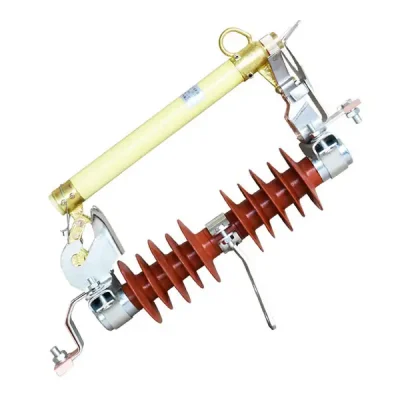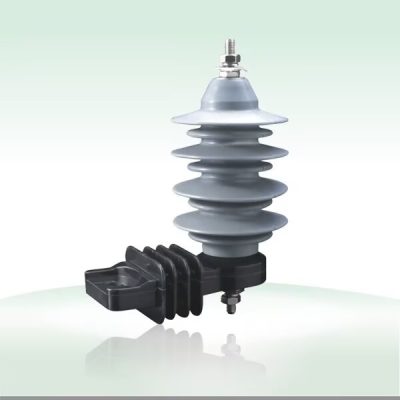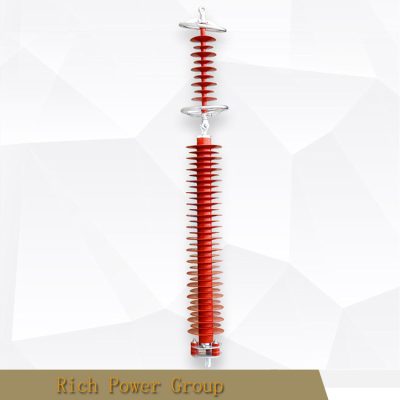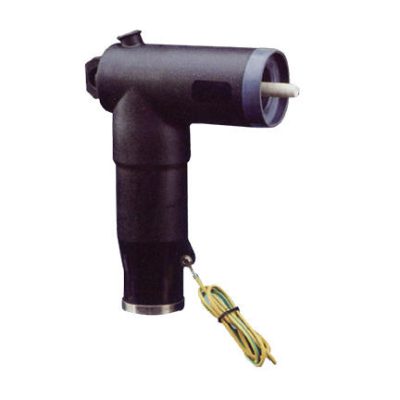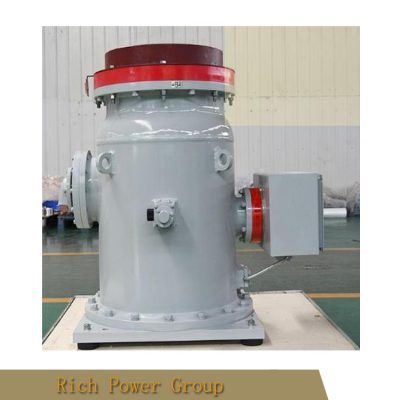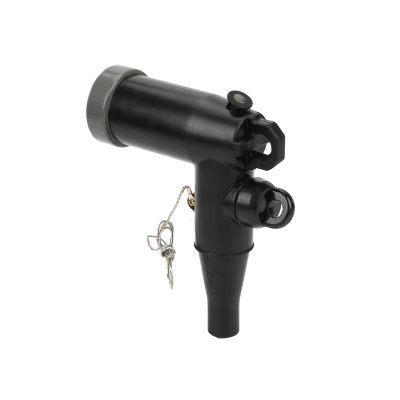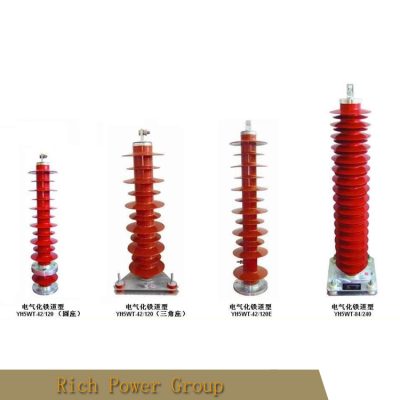

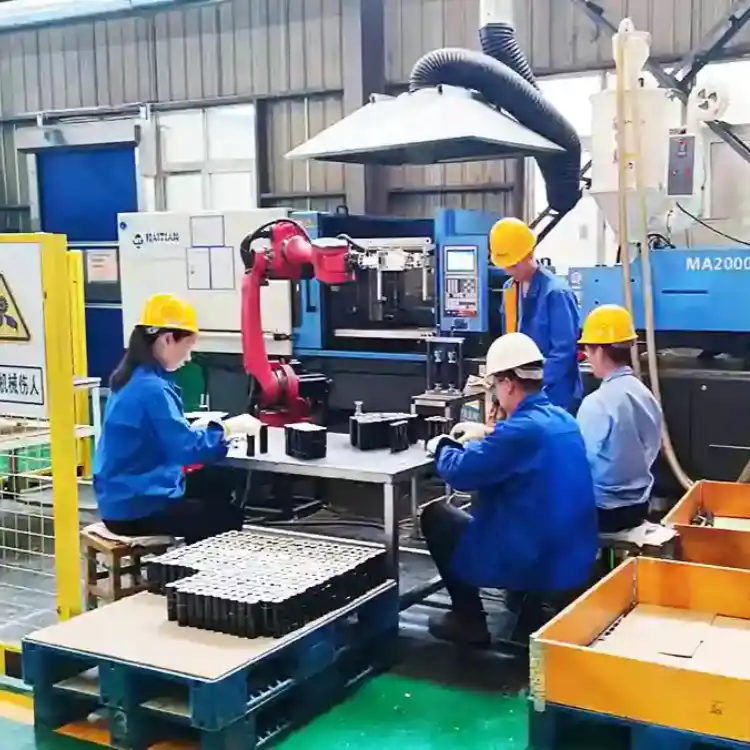


Metal oxide surge arresters (MOA) are critical protection devices used in modern power systems to protect electrical equipment from lightning strikes and switching overvoltages.
At the heart of every MOA is the ZnO varistor (Metal Oxide Varistor, MOV element), which provides nonlinear voltage-current characteristics and enables fast surge energy discharge to ground.
Unlike traditional arresters based on silicon carbide (SiC) resistors and spark gaps, modern MOA technology uses gapless ZnO varistors, which significantly improve protection performance and system reliability.
What is a ZnO Varistor?
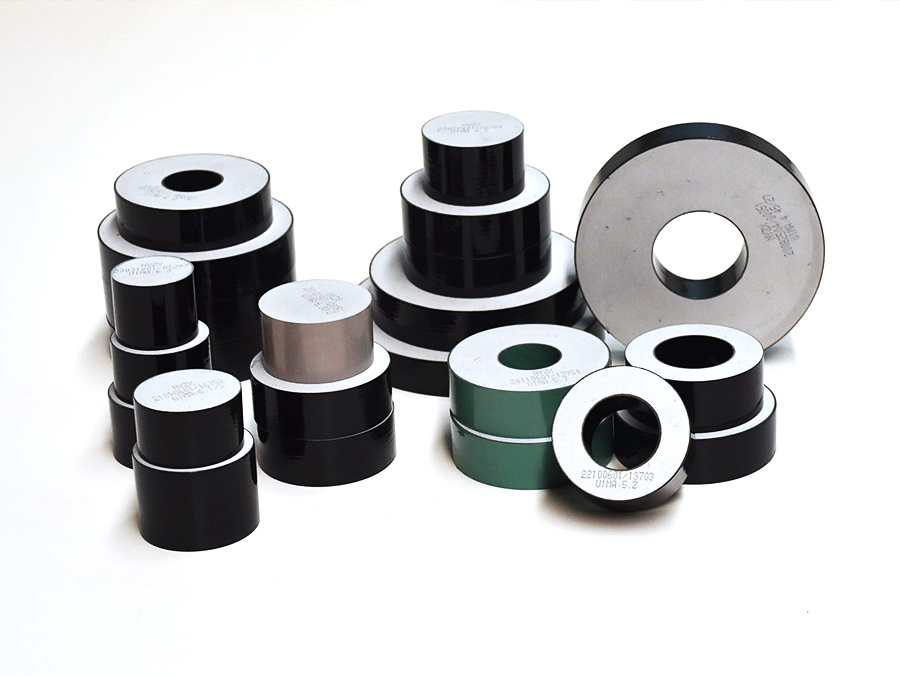
A ZnO varistor is a semiconductor ceramic component mainly made of zinc oxide (ZnO) combined with trace metal oxides.
Its most important characteristic is its nonlinear voltage-current (V-I) behavior:
- At normal operating voltage → very high resistance
- During overvoltage surge → resistance drops sharply
This property allows ZnO varistors to act as an automatic voltage-controlled switch.
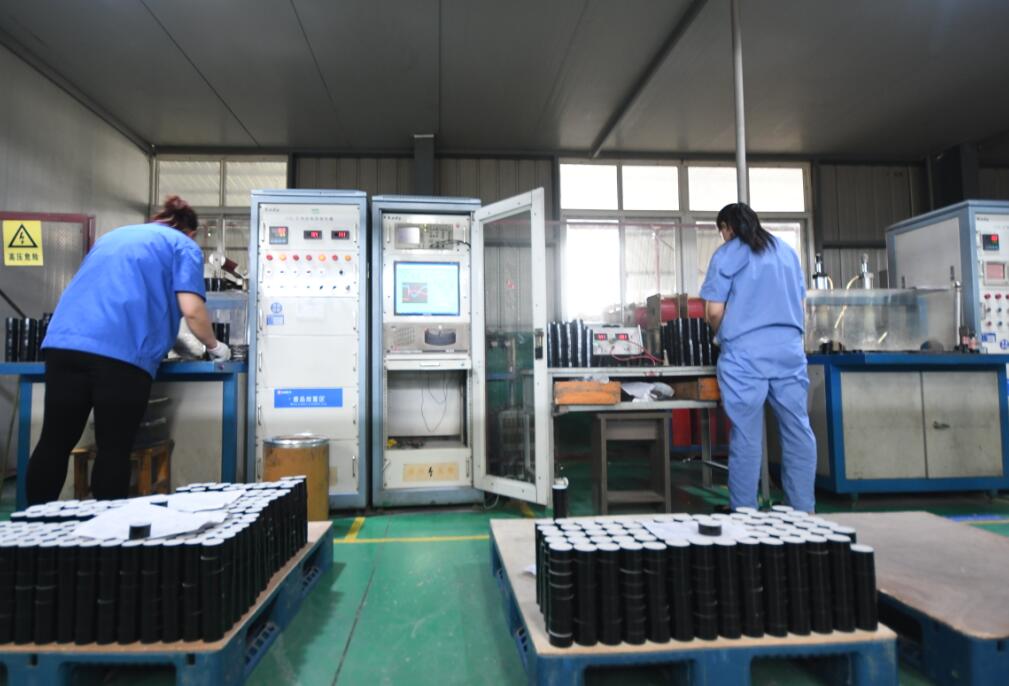
Working Principle of ZnO Varistor in MOA
The operation of a metal oxide surge arrester is based on the nonlinear characteristics of ZnO varistors.
1. Normal Operating Condition
When system voltage is within rated range:
- ZnO varistor remains in high-resistance state
- Only micro-level leakage current flows
- No energy dissipation occurs
👉 The arrester is practically inactive under normal system operation.
2. Overvoltage / Lightning Condition
When lightning or switching surge occurs:
- Voltage rises rapidly
- ZnO varistor resistance drops instantly
- Large surge current is conducted to ground
- System voltage is clamped to a safe level
👉 The surge energy is safely discharged without damaging equipment insulation.
3. Self-Recovery Behavior
After the surge event:
- Voltage returns to normal
- ZnO varistor automatically returns to high-resistance state
- System resumes normal operation without damage
Why ZnO Replaces Traditional SiC Arresters
Before ZnO technology, surge arresters used silicon carbide (SiC) resistors combined with spark gaps.
Limitations of SiC Arresters:
- Requires series gaps
- Slower response time
- Higher residual voltage
- Complex mechanical structure
- Higher maintenance requirements
Advantages of ZnO MOV Technology:
- Gapless design (no spark gap needed)
- Extremely fast response (nanosecond level)
- Lower residual voltage
- Higher energy absorption capability
- Better long-term stability
- Simplified structure and higher reliability
👉 This is why ZnO MOV has become the global standard for modern surge arresters.
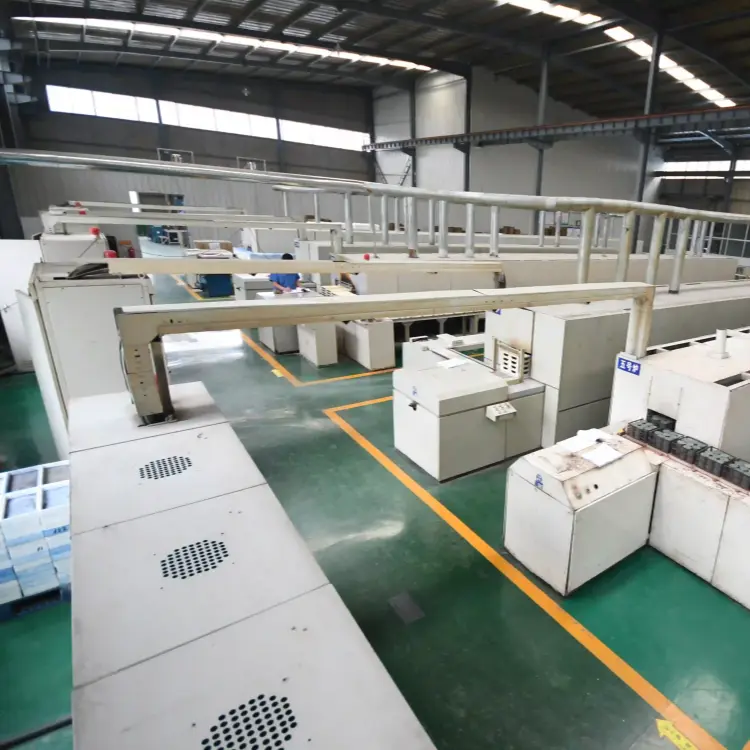
Key Electrical Characteristics of ZnO Varistors
ZnO varistors used in MOA systems exhibit the following properties:
- Highly nonlinear V-I characteristic
- Extremely low leakage current at rated voltage
- High surge current handling capability
- Excellent energy absorption performance
- Stable thermal and aging behavior
These properties ensure long-term stable operation in high voltage power systems.
Role of ZnO Varistor in Surge Arrester (MOA)
In a metal oxide surge arrester, ZnO varistors are stacked inside a housing (polymer or porcelain) to form a voltage grading column.
Their functions include:
- Voltage clamping during surge events
- Energy absorption and dissipation
- Protection of transformer and switchgear insulation
- Grounding of transient overvoltages
The performance of the entire arrester depends directly on the quality and consistency of ZnO varistor blocks.
Applications of ZnO Varistor Technology
ZnO varistors are widely used in:
- Metal oxide surge arresters (MOA)
- Power transmission systems
- Substation equipment protection
- Distribution networks
- Wind and solar power systems
- Railway electrification systems
- Industrial electrical systems
Why ZnO Varistor Technology Is Critical for Power Systems
Without ZnO varistors, power systems would face:
- Higher insulation failure risk
- Frequent transformer damage
- Poor lightning protection performance
- Unstable grid operation
ZnO MOV technology provides a fast, reliable and self-recovering protection mechanism, making it an essential component in modern electrical grids.
Summary
ZnO varistors are the core nonlinear element of modern metal oxide surge arresters (MOA). Their unique electrical characteristics allow them to remain inactive under normal voltage and instantly conduct high surge currents during overvoltage conditions.
Compared to traditional SiC-based arresters, ZnO MOV technology provides:
- Faster response
- Higher reliability
- Better energy handling
- Lower maintenance
- Improved system protection performance
This is why ZnO varistors are now the global standard for surge protection in medium, high, and ultra-high voltage power systems.
👉 For manufacturing-grade ZnO varistor blocks used in surge arrester production, see our 0.28kV–1000kV ZnO Varistor Blocks page.
ZnO Varistor Blocks for Surge Arrester Manufacturing
We supply high-performance ZnO varistor blocks for MOA production from 0.28kV to 1000kV.
👉 Key Features:
- IEC 60099-4 compliant
- High energy absorption
- Stable leakage current grading
- Available in 32–128mm discs
👉 Applications:
- Metal oxide surge arresters
- Power transmission systems
- Substation protection devices
Contact us today for a technical consultation or a fast quote.