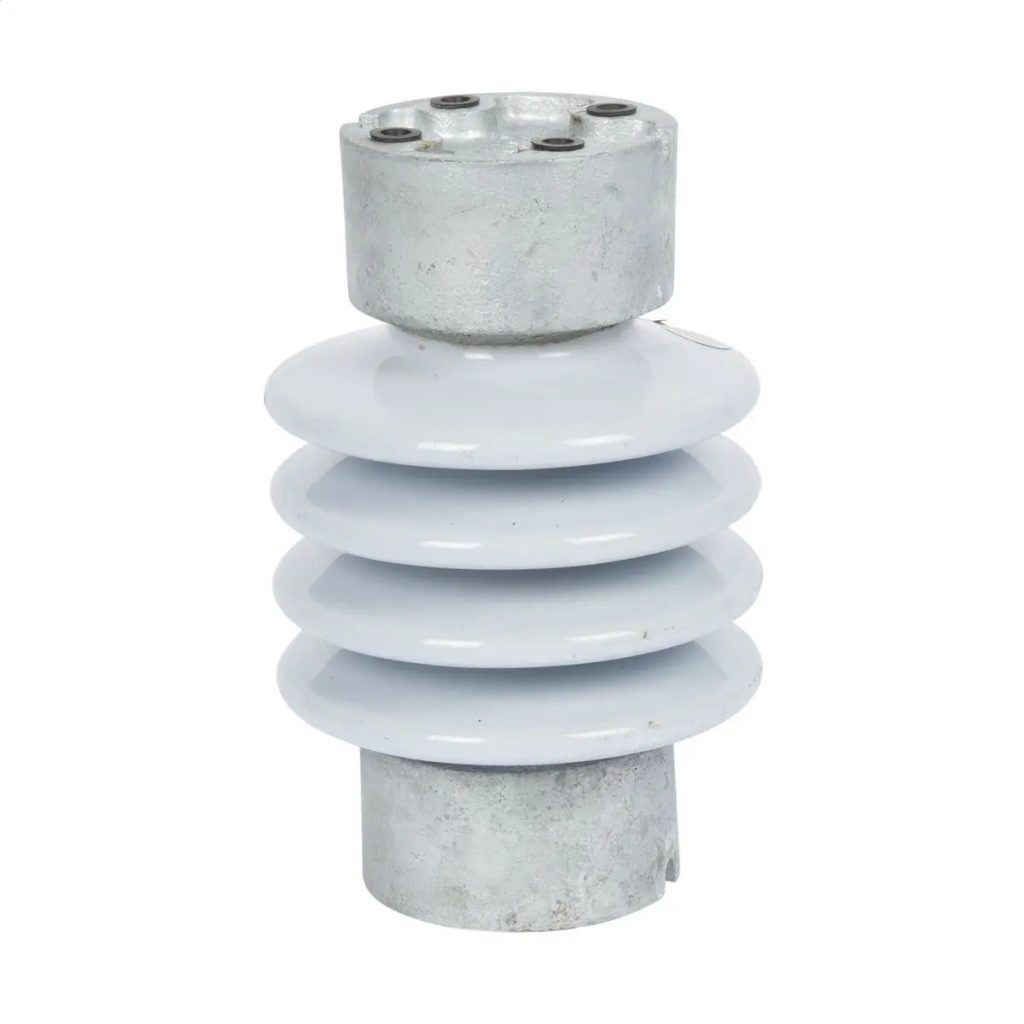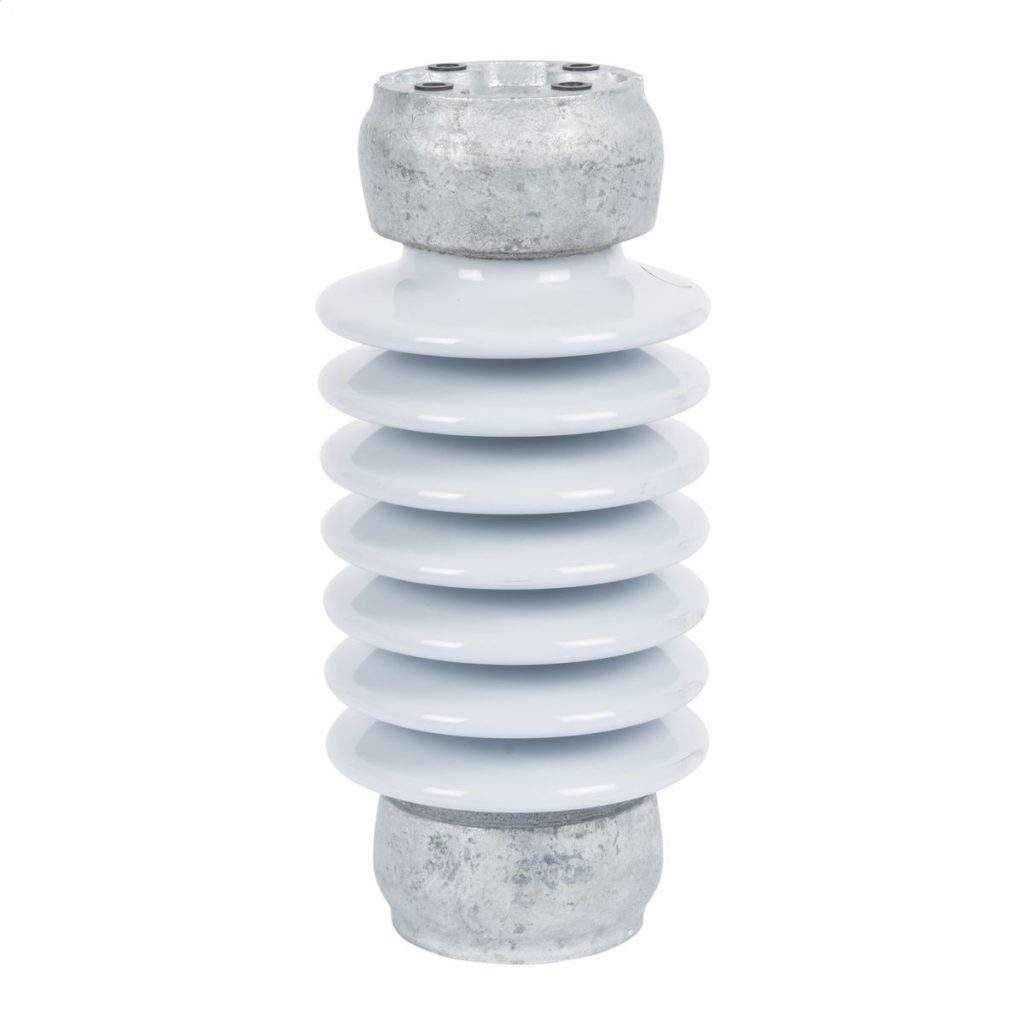


In modern power distribution systems, protecting electrical equipment from overvoltage is critical. One of the most widely used protection devices is the surge arrester, designed to safeguard transformers, cables, and distribution lines from lightning and switching surges.
For utility companies, EPC contractors, and electrical engineers, understanding how surge arresters work is essential for ensuring system reliability and safety.
What Is a Surge Arrester?
A surge arrester is a protective device used in medium- and high-voltage power systems to limit transient overvoltages by safely diverting surge current to the ground.
It is commonly installed in:
- Distribution lines (11kV–33kV)
- Power transformers
- Substations
- Industrial power systems
👉 In simple terms:
A surge arrester acts as a safety valve that releases excess voltage before it damages equipment.
What Does a Surge Arrester Do?
The main function of a surge arrester is to:
- Protect electrical equipment from lightning strikes
- Prevent insulation failure
- Reduce downtime and maintenance costs
- Improve system reliability
Without surge protection, even a single lightning event can cause severe damage to transformers and distribution systems.
How Does a Surge Arrester Work?
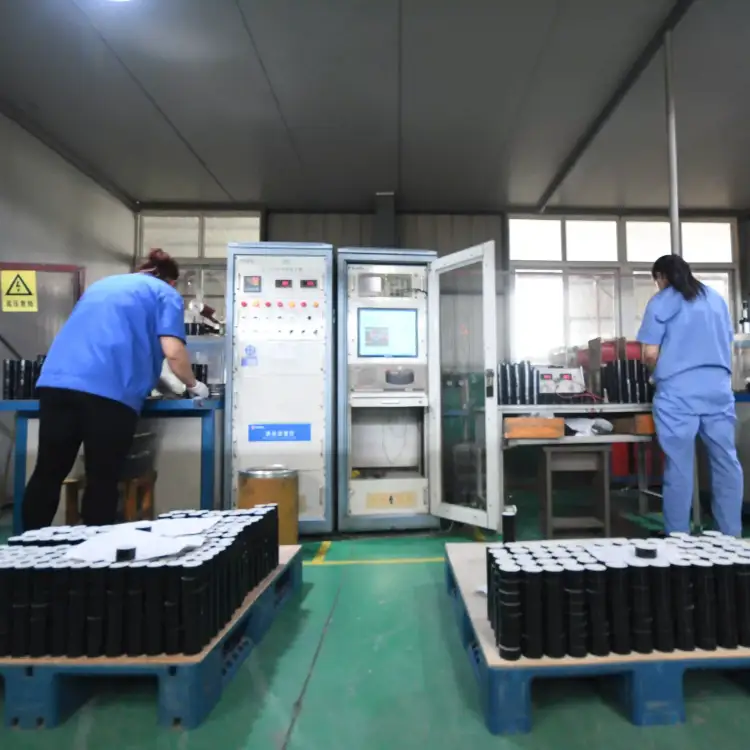
A surge arrester operates based on voltage-dependent resistance, typically using metal oxide varistors (MOVs).
Step 1: Normal Operation
Under normal voltage conditions:
- The arrester remains non-conductive
- Only a very small leakage current flows
- The system operates normally
Step 2: Overvoltage Condition
When a surge occurs due to lightning or switching:
- System voltage rises sharply
- The MOV blocks instantly become conductive
Step 3: Surge Current Discharge
- The surge current is diverted safely to the ground
- The voltage across equipment is limited
Step 4: Recovery
- After the surge passes, the arrester returns to its high-resistance state
- Normal operation resumes
👉 This rapid response happens within microseconds, ensuring effective protection.
Main Components of a Surge Arrester
A typical surge arrester consists of:
1. Metal Oxide Varistor (MOV)
- Core component
- Provides nonlinear resistance
2. Housing (Polymer or Porcelain)
- Protects internal components
- Provides insulation
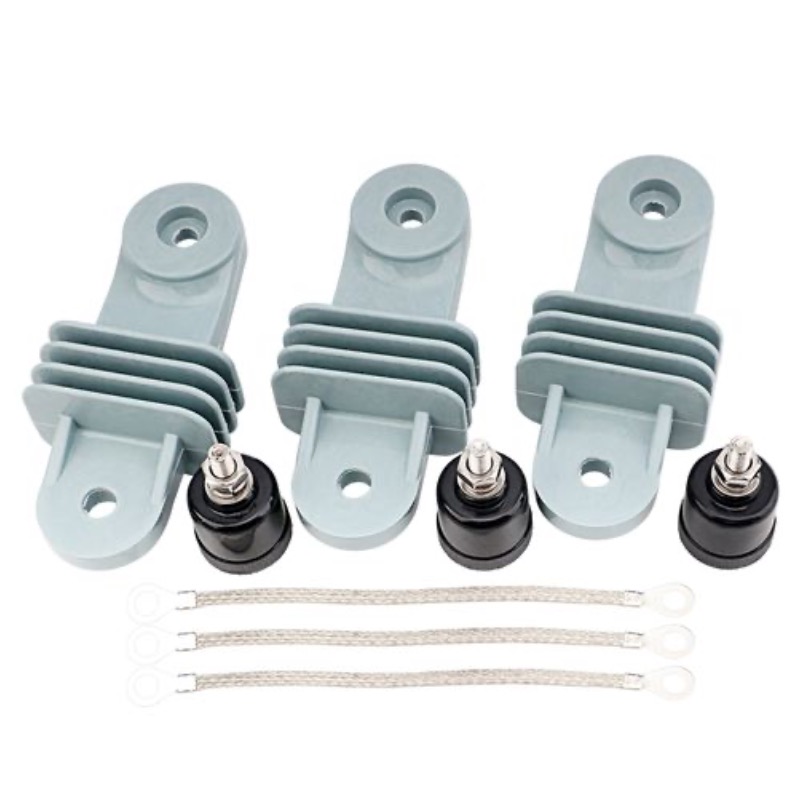
3. End Fittings
- Ensure mechanical strength
- Provide electrical connection
Where Are Surge Arresters Used?
Surge arresters are widely used in:
- Overhead distribution lines
- Power transformers
- Substations
- Renewable energy systems (solar and wind)
They are especially critical in areas with frequent lightning activity.
Why Surge Arresters Are Important
✔ Equipment Protection
Prevents costly damage to transformers and cables
✔ System Reliability
Reduces outages caused by voltage surges
✔ Cost Efficiency
Minimizes maintenance and replacement costs

Conclusion
A surge arrester is an essential component in power systems, providing reliable protection against transient overvoltages. By quickly diverting surge current and limiting voltage, it ensures the safe operation of electrical infrastructure.
For engineers and procurement professionals, selecting a high-quality surge arrester is critical to long-term system performance.
👉 Looking for reliable polymer surge arresters for 11kV–33kV systems?
Contact us for technical support and bulk supply solutions now.