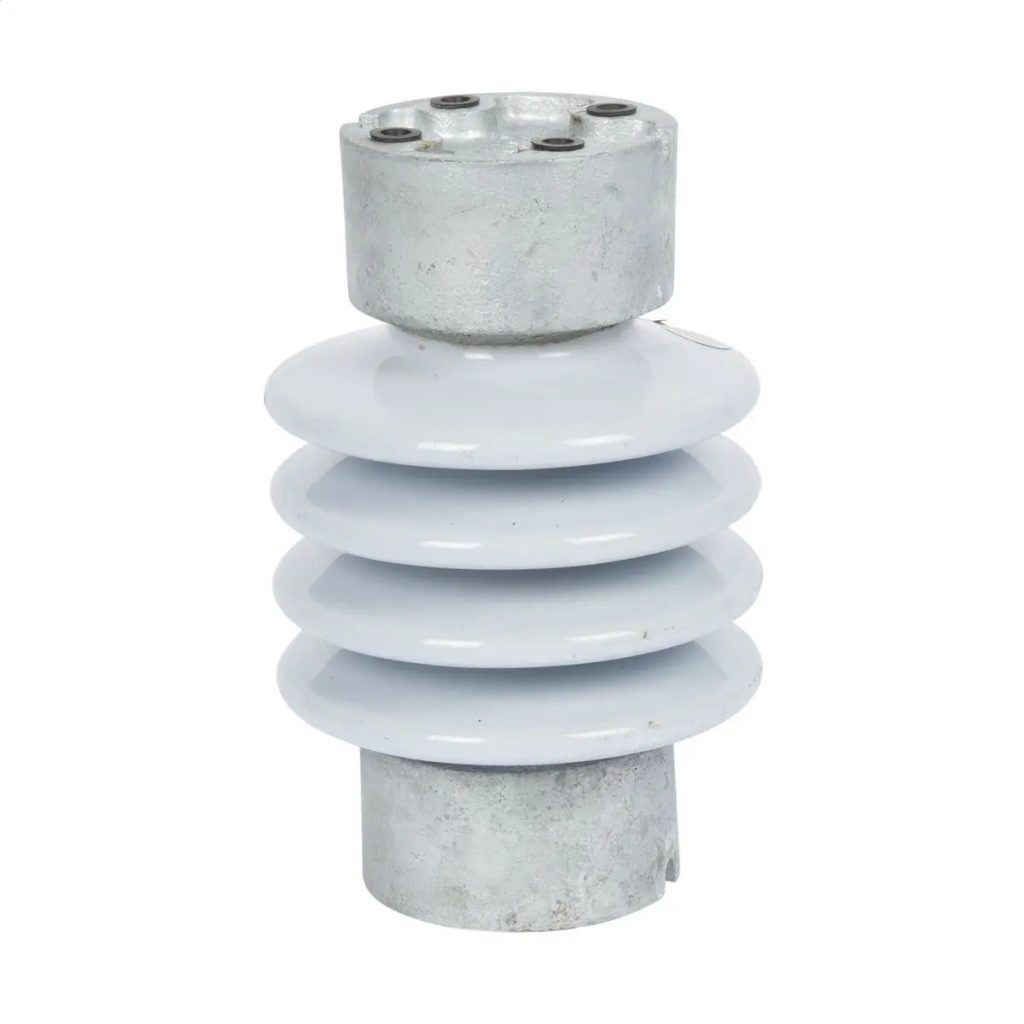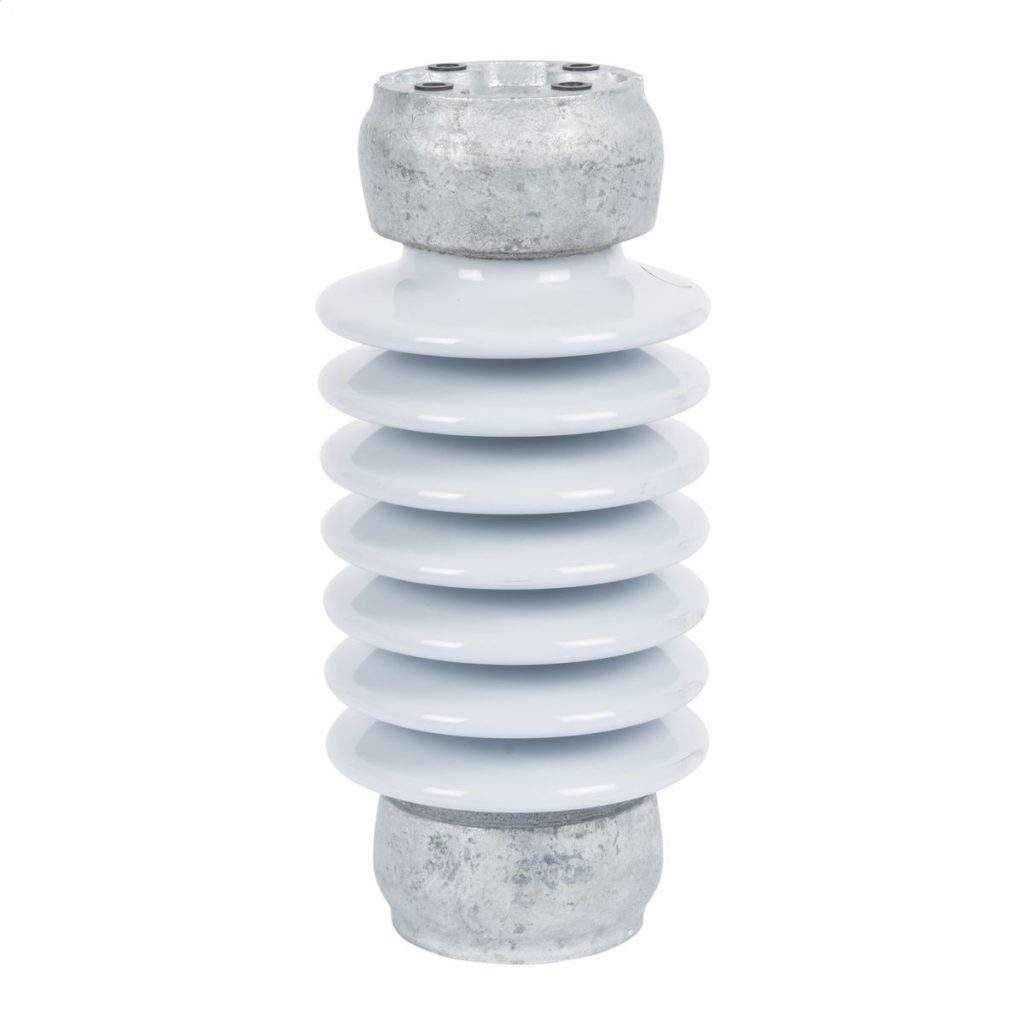
In power distribution and electrical protection systems, the terms surge arrester and lightning arrester are often used interchangeably. However, they are not exactly the same, and understanding the difference is important for proper system protection.
For engineers, contractors, and procurement professionals, selecting the correct device can directly impact system reliability and equipment lifespan.

What Is a Surge Arrester?
A surge arrester is a protective device designed to limit overvoltage caused by:
- Lightning strikes
- Switching operations
- Transient surges in power systems
It works by diverting excess voltage safely to the ground using nonlinear resistance components such as metal oxide varistors (MOVs).
Surge arresters are widely used in:
- Distribution systems (11kV–33kV)
- Transformers
- Substations
What Is a Lightning Arrester?
A lightning arrester traditionally refers to a device specifically designed to protect systems from direct lightning strikes.
In older terminology, lightning arresters were mainly used in:
- Transmission lines
- High-voltage systems
👉 In modern electrical engineering, the term “lightning arrester” is often used as a general term for surge protection devices.

Key Differences Between Surge Arrester and Lightning Arrester
| Feature | Surge Arrester | Lightning Arrester |
|---|---|---|
| Primary Function | Protect against all types of surges | Mainly lightning protection |
| Technology | Metal oxide (MOV) | Older technologies (gap type) |
| Application | Distribution & substations | Transmission & older systems |
| Modern Usage | Widely used | Term less precise today |
Why the Terms Are Often Confused
The confusion comes from industry evolution:
- Historically, “lightning arrester” was the common term
- Modern systems use advanced surge arresters
- Many professionals still use both terms interchangeably
👉 Today, most “lightning arresters” are actually surge arresters with improved technology
Which One Should You Choose?
For modern power distribution systems:
👉 Surge arresters are the preferred solution
Because they:
- Respond faster to transient voltage
- Provide better protection across multiple surge types
- Require less maintenance
- Offer higher reliability
Applications in Real Systems
Surge Arresters Are Commonly Used In:
- Transformer protection
- Overhead distribution lines
- Renewable energy systems
- Industrial power networks
Lightning Arresters (Traditional Use):
- Older transmission systems
- High-voltage infrastructure
Practical Selection Advice (For Buyers)
When choosing between the two:
👉 Focus on technical specifications, not just terminology:
- Rated voltage (11kV / 33kV)
- MCOV
- Energy absorption capability
- Environmental resistance
👉 In most cases, a polymer surge arrester is the best choice for modern applications.
Common Mistake to Avoid
❌ Assuming they are completely different devices
✔ In reality:
Most modern “lightning arresters” are simply surge arresters used for lightning protection
Conclusion
While the terms surge arrester and lightning arrester are often used interchangeably, modern power systems rely primarily on surge arresters for comprehensive overvoltage protection.
Understanding the difference helps engineers and buyers make better decisions when selecting protection devices for distribution systems.
👉 Looking for reliable polymer surge arresters for 11kV–33kV systems?
Contact us for technical support, datasheets, and bulk supply solutions.