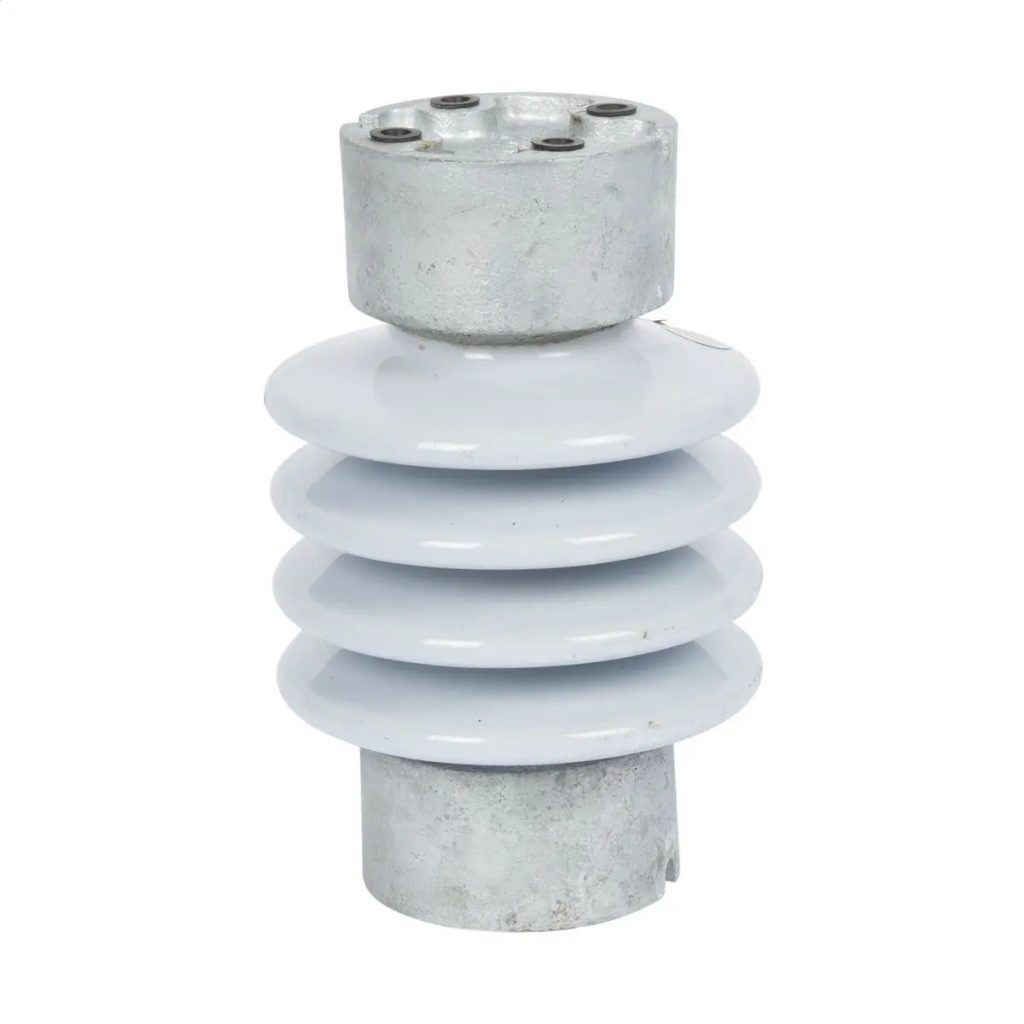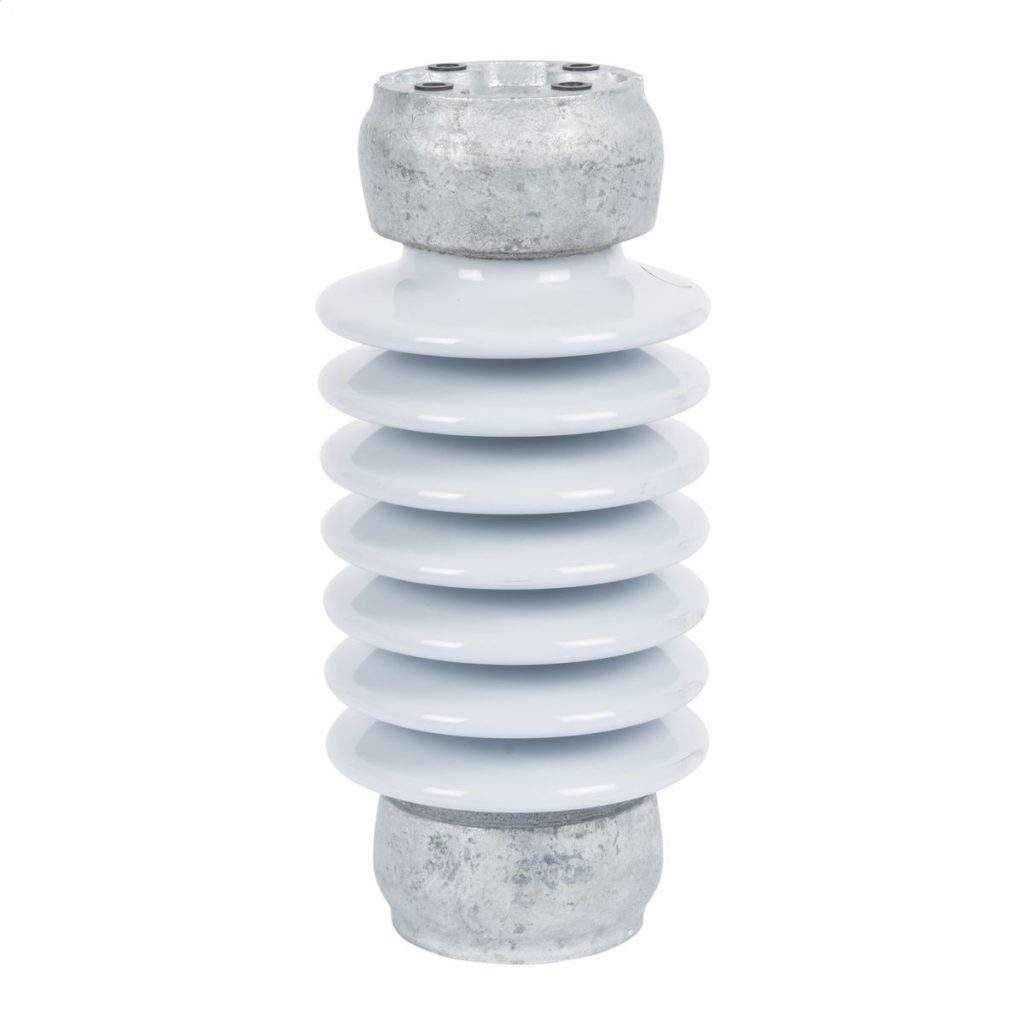

Surge arresters play a critical role in protecting power systems from overvoltage. However, like any electrical component, they can fail under certain conditions. Understanding the causes of surge arrester failure is essential for engineers, maintenance teams, and procurement professionals.
Failure not only leads to equipment damage but can also result in costly downtime and safety risks.
What Happens When a Surge Arrester Fails?
When a surge arrester fails, it may:
- Lose its ability to limit overvoltage
- Become permanently conductive (short circuit)
- Physically crack or explode in severe cases
👉 This can expose transformers and distribution lines to dangerous voltage surges.
Common Causes of Surge Arrester Failure
1. Overvoltage Stress Beyond Design Limits
One of the most common causes is exposure to voltage levels exceeding the arrester’s rating.
Causes include:
- Severe lightning strikes
- Switching surges
- Incorrect system voltage selection
👉 Repeated stress weakens the internal MOV blocks, leading to failure.
2. Moisture Ingress and Sealing Failure
Moisture entering the arrester can significantly reduce insulation performance.
Typical reasons:
- Poor sealing quality
- Aging of housing materials
- Damage during installation
👉 Moisture can cause internal discharge and eventual breakdown.
3. Aging of Metal Oxide Varistors (MOV)
MOV blocks degrade over time due to:
- Continuous leakage current
- Thermal stress
- Repeated surge events
👉 Aging reduces energy absorption capability, increasing failure risk.
4. Improper Installation
Incorrect installation is a major but often overlooked factor.
Common mistakes:
- Poor grounding
- Incorrect mounting angle
- Loose connections
👉 Even a high-quality arrester can fail if installed improperly.
5. Environmental Factors
Harsh environments accelerate deterioration:
- High humidity
- Salt pollution (coastal areas)
- Industrial contamination
- UV exposure
👉 These conditions affect both insulation and mechanical integrity.
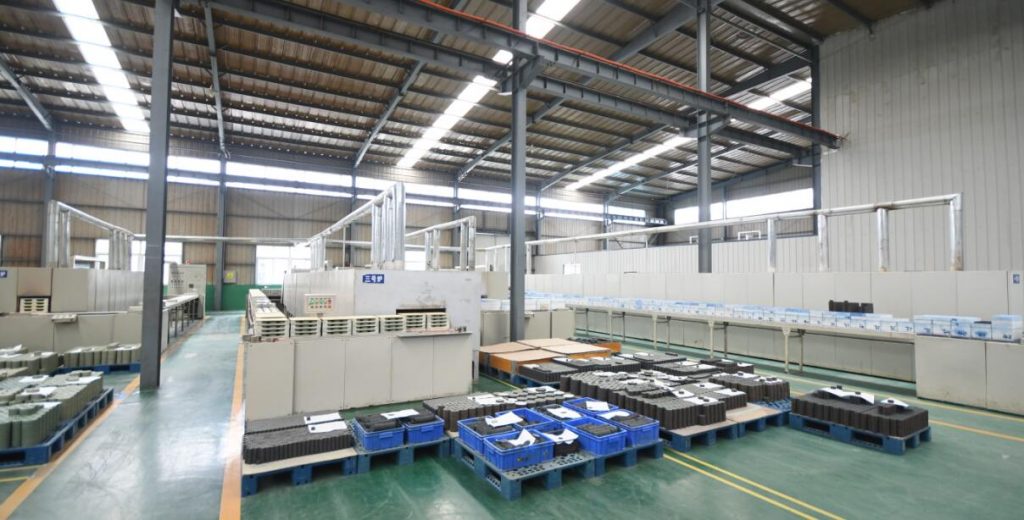
6. Low-Quality Materials or Manufacturing Defects
Using substandard products can significantly increase failure rates.
Risks include:
- Weak sealing
- Poor MOV quality
- Inconsistent performance
👉 Reliability heavily depends on manufacturing quality and standards compliance.
Warning Signs of Surge Arrester Failure
Early detection can prevent major system damage.
Watch for:
- Visible cracks in housing
- Burn marks or discoloration
- Increased leakage current
- Unusual noise or discharge
- Frequent equipment trips
👉 Regular inspection is essential in critical systems.
How to Prevent Surge Arrester Failure
✔ Choose the Correct Rating
- Match voltage level (11kV / 33kV)
- Ensure proper MCOV selection
✔ Use High-Quality Materials
- Prefer polymer housing for better sealing
- Ensure compliance with IEC standards
✔ Ensure Proper Installation
- Install with correct grounding
- Follow manufacturer guidelines
✔ Perform Regular Maintenance
- Visual inspection
- Electrical testing
- Periodic replacement if needed
✔ Consider Environmental Conditions
- Use pollution-resistant designs
- Select appropriate insulation materials
When Should You Replace a Surge Arrester?
Replacement is recommended when:
- Visible damage is present
- Performance degradation is detected
- The arrester has reached its service life
👉 Preventive replacement is often more cost-effective than dealing with failure consequences.
Practical Advice for Engineers and Buyers
For EPC contractors and distributors:
👉 Always ensure your supplier provides:
- Certified test reports
- Technical datasheets
- Proven field performance
👉 A reliable surge arrester reduces long-term operational risks.
Conclusion
Surge arrester failure is usually caused by a combination of electrical stress, environmental conditions, and product quality. By understanding these factors and taking preventive measures, you can significantly improve system reliability and reduce maintenance costs.
👉 Looking for high-reliability polymer surge arresters for harsh environments?
Contact us for technical support, datasheets, and bulk supply solutions.