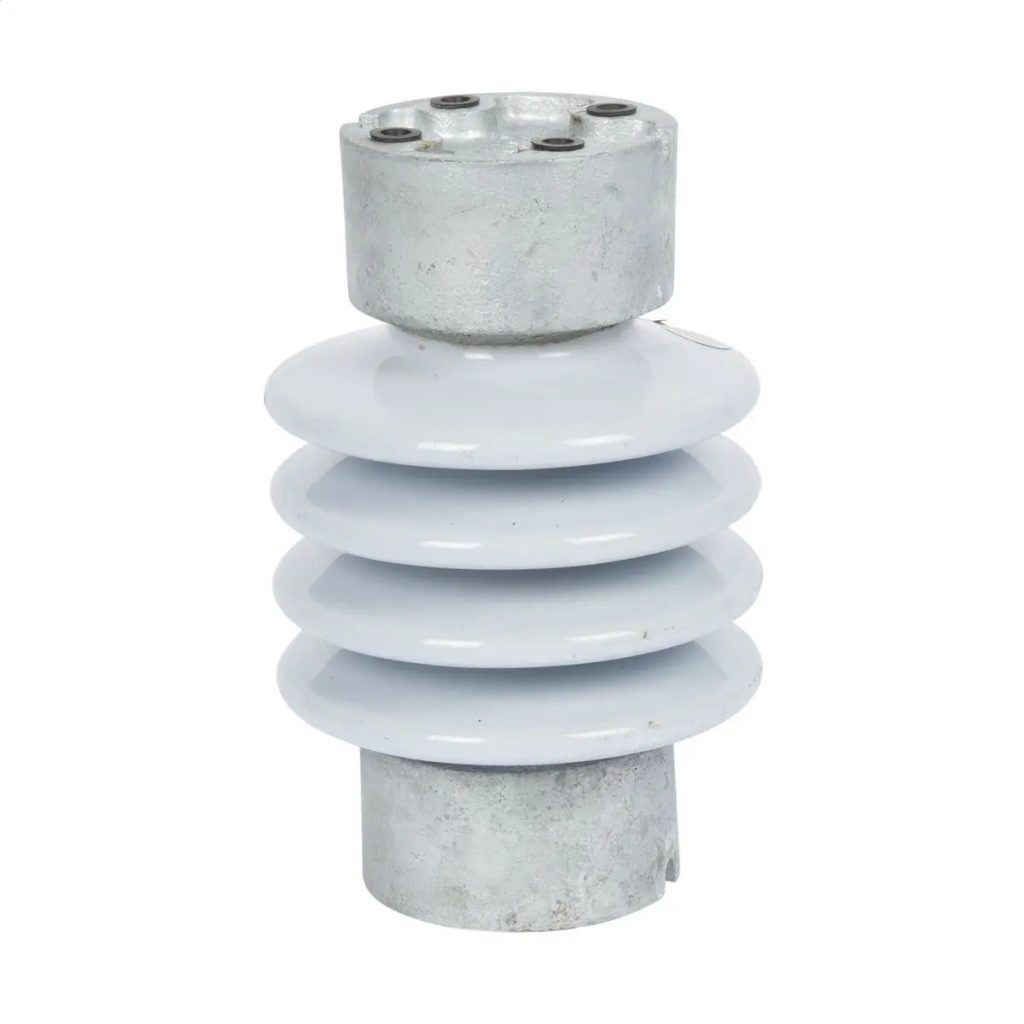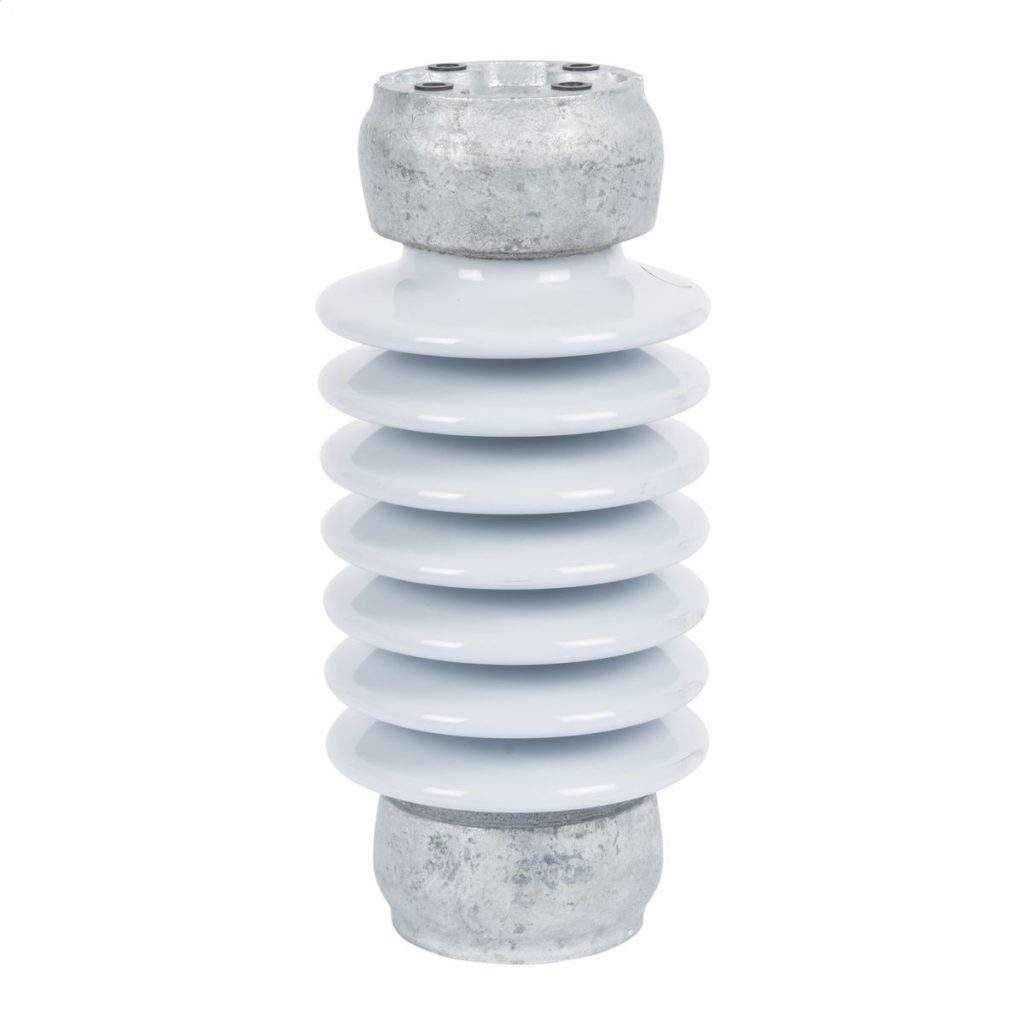
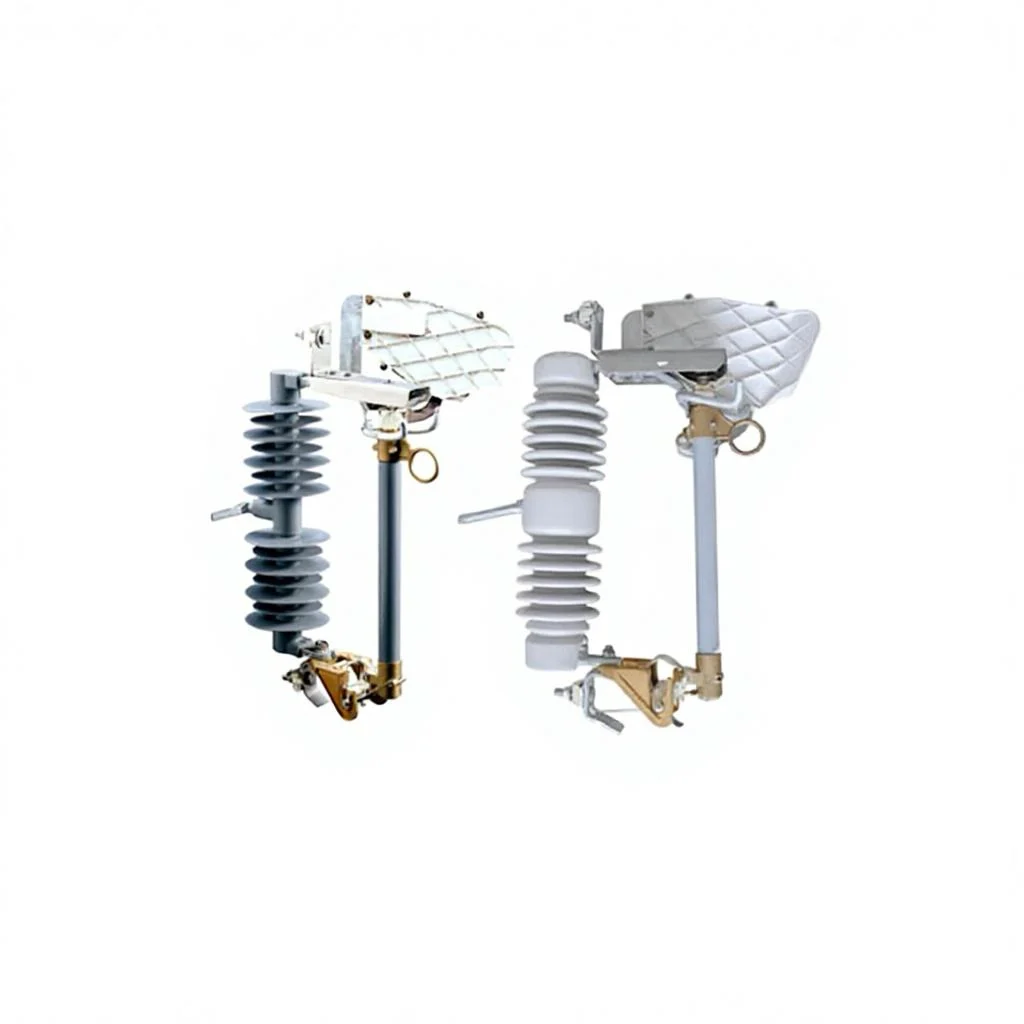

What Is a Fuse Cutout?
A fuse cutout is a medium-voltage protective device used in overhead distribution systems, typically rated from 11kV to 33kV. It combines the functions of:
- Overcurrent protection
- Short-circuit protection
- Visible line isolation
It is commonly installed on distribution transformers and overhead feeder lines, especially in utility and industrial power systems.
👉 In simple terms:
A fuse cutout protects electrical equipment by breaking the circuit when abnormal current occurs.
How Does a Fuse Cutout Work?
A fuse cutout operates in three stages:
1. Normal Operation
During normal conditions:
- Current flows through the fuse link
- The fuse holder remains closed
- The system operates without interruption
At this stage, the fuse cutout acts as a conductive connector.
2. Fault Condition
When a fault occurs, such as:
- Short circuit
- Overload
- Lightning surge
The current rises sharply above the rated value.
The fuse link heats up rapidly and melts, breaking the circuit.
3. Circuit Interruption & Drop-Out
After melting:
✔ Arc extinction
The arc generated during interruption is quenched by arc-quenching material (usually silica sand).
✔ Drop-out action
The fuse tube automatically drops open due to gravity, creating a visible isolation gap.
👉 This visible open position is a key safety feature for field maintenance.
Key Components of a Fuse Cutout
A typical fuse cutout consists of:
1. Insulator Body
Provides mechanical support and electrical insulation.
Materials:
- Porcelain insulator
- Polymer insulator
2. Fuse Holder
Houses the fuse element and arc-quenching material.

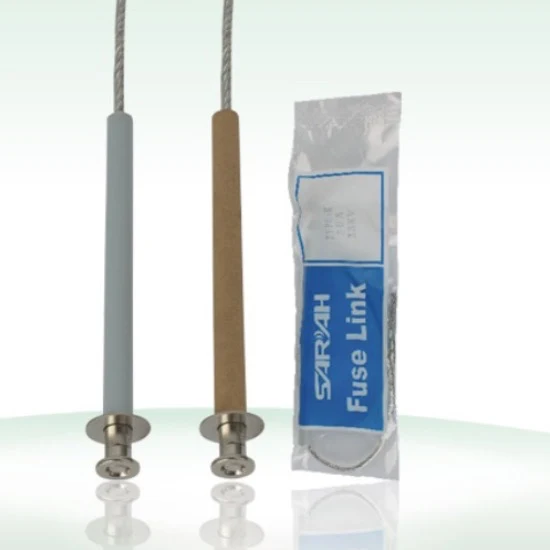
3. Fuse Link(熔丝)
The core protective element that melts under fault current.
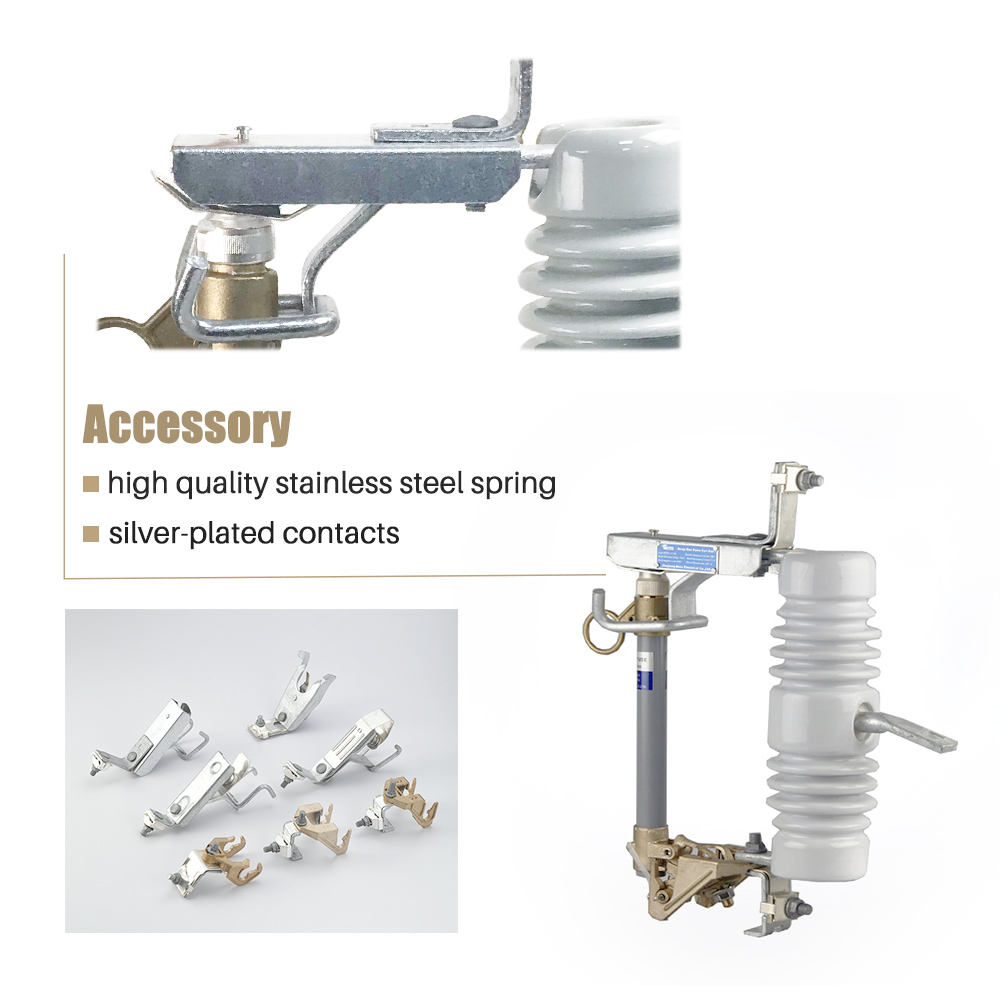
4. Contact System
Ensures stable conduction during normal operation.
Fuse Cutout Types
Common types used in distribution systems:
- Expulsion fuse cutout
- Drop-out fuse cutout
- Polymer fuse cutout
- Porcelain fuse cutout
Each type is selected based on voltage level, environment, and utility requirements.
Applications of Fuse Cutouts
Fuse cutouts are widely used in:
- Distribution transformers protection
- Overhead line branch protection
- Rural electrification networks
- Industrial power distribution systems
- Renewable energy connection points (solar / wind)
Why Fuse Cutout Is Important in Power Systems
✔ 1. Reliable Protection
Provides fast fault interruption without complex systems.
✔ 2. Visible Safety Isolation
Operators can clearly see the disconnected state.
✔ 3. Low Maintenance Cost
Only fuse link replacement is required.
✔ 4. Cost-Effective Solution
More economical than circuit breakers in distribution networks.
How to Select a Fuse Cutout
When selecting a fuse cutout, engineers consider:
- Rated voltage (11kV / 24kV / 33kV)
- Rated current capacity
- Breaking capacity
- Insulator material (polymer or porcelain)
- Environmental conditions (humidity, salt fog, UV exposure)
- IEC compliance standards
Fuse Cutout vs Circuit Breaker
| Feature | Fuse Cutout | Circuit Breaker |
|---|---|---|
| Cost | Low | High |
| Maintenance | Simple | Complex |
| Automation | No | Yes |
| Application | Distribution lines | Substations |
👉 Fuse cutouts are preferred in distribution-level protection systems.
FAQ
Q1: What is the purpose of a fuse cutout?
A fuse cutout protects distribution lines and transformers by interrupting fault currents and providing visible isolation.
Q2: Where are fuse cutouts used?
They are used in overhead distribution systems, especially on transformers and branch lines.
Q3: What is the difference between a fuse cutout and a breaker?
A fuse cutout is a simple mechanical protection device, while a breaker is an automatic switching device with control systems.
Q4: What voltage levels do fuse cutouts support?
Most fuse cutouts are designed for 11kV, 24kV, and 33kV systems.
Conclusion
A fuse cutout is one of the most essential protection devices in medium-voltage distribution systems. It ensures system safety by quickly isolating faults and providing visible disconnection for maintenance teams.
For utilities, EPC contractors, and distributors, choosing a reliable fuse cutout manufacturer is critical to ensuring long-term grid stability and safety.
👉 If you are looking for 11kV–33kV fuse cutout solutions, explore our product range at asiapower.net.