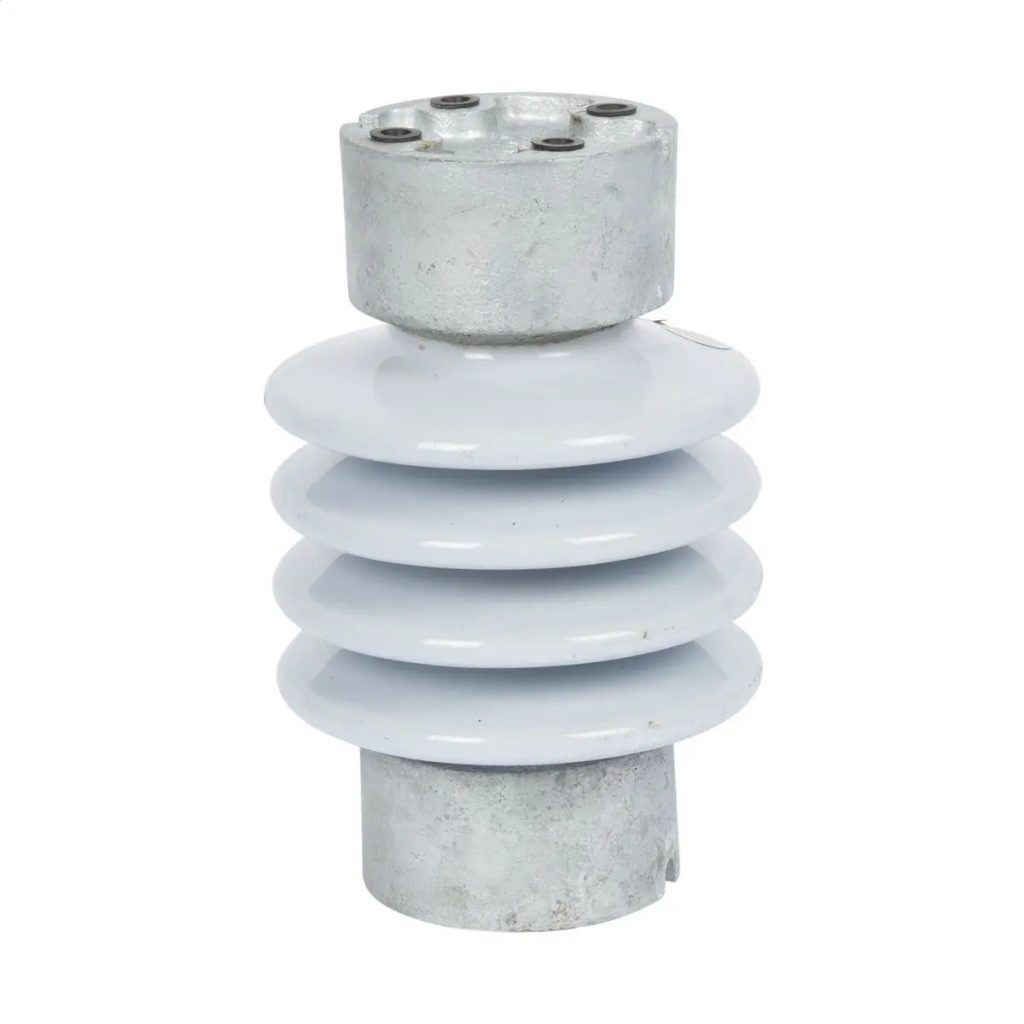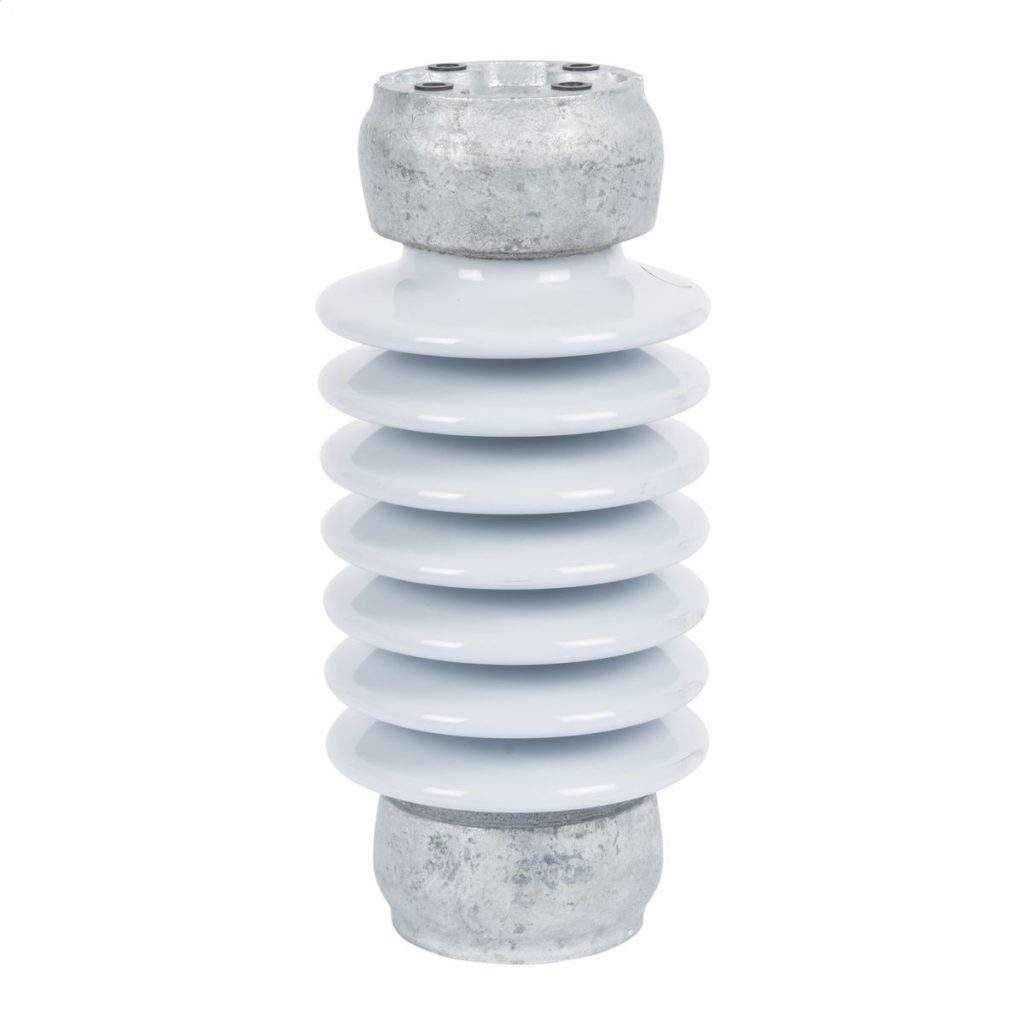

In the modern electrical power industry, protecting high-voltage equipment from transient overvoltages is critical for system reliability and safety. Surge arresters, especially high-quality devices from a trusted surge arrester manufacturer, play a key role in safeguarding transformers, switchgear, and distribution networks. This guide explains how surge arresters work, their types, applications, and how selecting the right device—such as a polymer surge arrester or a high-voltage station-class arrester—can prevent costly failures.

What is a Surge Arrester?
A surge arrester, also known as a lightning arrester, is a device that protects electrical equipment from sudden overvoltage caused by lightning strikes, switching operations, or faults in the power system. Without surge arresters, overvoltage events can damage insulation, reduce equipment lifespan, or even cause catastrophic failures.
Modern surge arresters, whether used as distribution surge arresters or station class surge arresters, operate by providing a low-impedance path to ground during surges, allowing the excess energy to safely dissipate while normal voltage continues without interruption.
Core Components of a Surge Arrester
- Housing or Encapsulation
- Made of polymer or porcelain, the housing protects internal components from UV radiation, rain, and pollution.
- Polymer surge arresters are increasingly popular due to their lightweight, high insulation, and maintenance-free design.
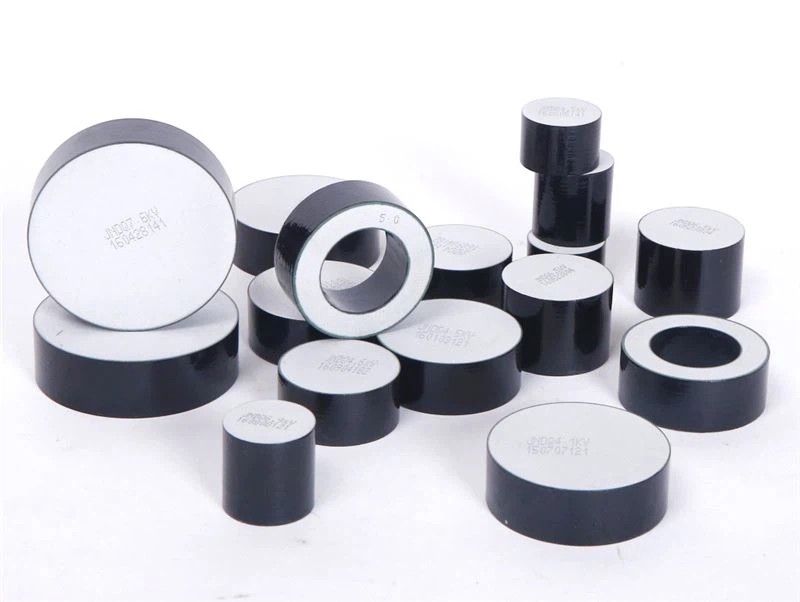
- Metal Oxide Varistor (MOV)
- The heart of most modern arresters, MOVs are semiconducting ceramics with non-linear resistance.
- Under normal voltage, MOVs remain non-conductive. When a surge occurs, their resistance drops sharply, allowing current to flow safely to ground.
- End Fittings or Grading Rings
- These distribute electrical stress evenly and provide reliable connections to the system and grounding network.
How Surge Arresters Operate
- Normal Operation
- Under rated voltage, the MOV maintains high resistance, allowing only minimal leakage current.
- Overvoltage Conditions
- During surges—such as lightning strikes—the MOV becomes conductive almost instantly, providing a low-impedance path to ground.
- Surge current is safely dissipated, preventing damage to equipment like transformers or distribution lines.
- Automatic Recovery
- Once the voltage returns to normal, the arrester resumes its high-resistance state, ready for future events.
High-quality 11kV surge arresters, 33kV surge arresters, or even 132kV surge arresters are designed to withstand multiple surges over their lifetime, offering reliable protection for both distribution and station class applications.
Types of Surge Arresters
Surge arresters can be categorized by material and design:
- Metal Oxide Varistor (MOV) Surge Arresters
- Most widely used for both distribution surge arresters and station class surge arresters
- Fast response, high energy absorption, low residual voltage
- Silicon Carbide (SiC) Surge Arresters
- Older technology, less common today
- Require series gaps and careful design
- Expulsion Type Arresters
- Used in outdoor distribution networks
- Dissipate energy by expelling gases during surges, gradually replaced by MOV-based designs
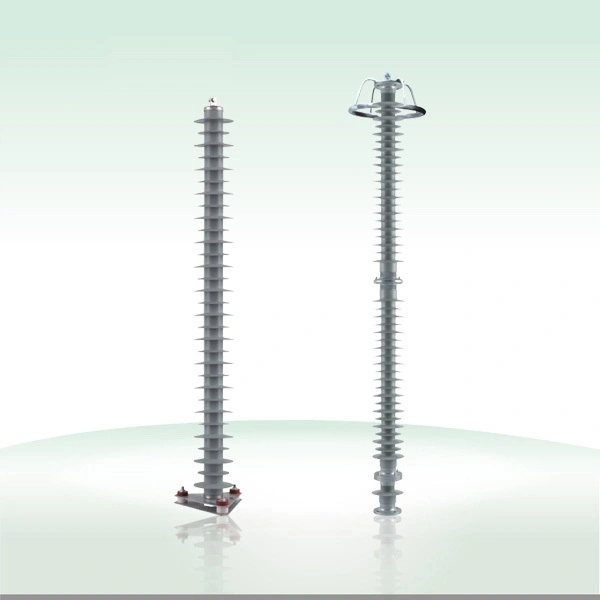
- Polymer Surge Arresters
- Lightweight and compact
- Resistant to pollution and UV, ideal for outdoor high-voltage lines
Applications Across Electrical Systems
- Transmission Lines: Protect towers and insulators from lightning strikes
- Substations: Shield transformers, busbars, and circuit breakers using station class surge arresters
- Distribution Networks: Protect customers and equipment using distribution surge arresters
- Industrial Installations: Safeguard machinery, control systems, and electronics
Proper placement ensures maximum protection, typically installed in parallel between phase conductors and ground.
Key Selection Criteria
When choosing a surge arrester, consider:
- Maximum Continuous Operating Voltage (MCOV) – The maximum voltage the arrester can withstand continuously
- Nominal Discharge Current (In) – The peak current it can safely handle repeatedly
- Energy Absorption Capability – Total energy that can be dissipated without damage
- Residual Voltage – Voltage across the arrester during a surge; lower residual voltage reduces stress on equipment
Selecting the right device, whether it’s an 11kV surge arrester, 15kV surge arrester, 33kV surge arrester, 66kV surge arrester, or 132kV surge arrester, is critical for protecting your electrical infrastructure.
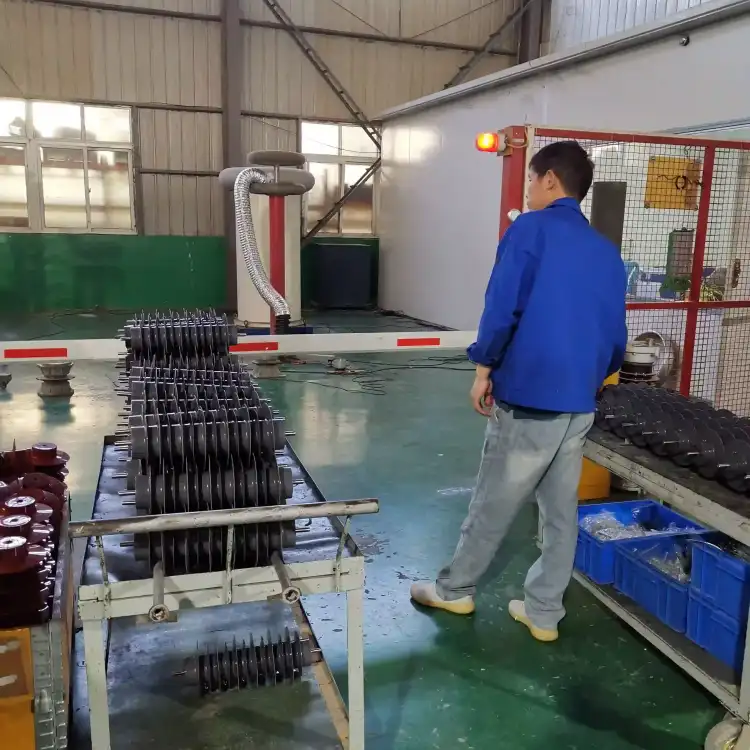
Maintenance and Monitoring
- Visual Inspections: Look for cracks, pollution, or tracking
- Leakage Current Testing: Ensures MOV functionality
- End-of-Life Indicators: Many modern surge arresters include visual indicators to show degradation
Routine monitoring ensures the arrester continues to provide reliable protection, extending the life of both the arrester and the equipment it protects.
Conclusion
Surge arresters are indispensable for protecting high-voltage systems from transient overvoltage events. By diverting surges safely to ground, they protect transformers, switchgear, and distribution networks from damage.
Whether you choose a polymer surge arrester, distribution surge arrester, or station class surge arrester, selecting a reputable surge arrester manufacturer ensures quality, reliability, and longevity. From 11kV to 132kV surge arresters, proper selection, installation, and monitoring are essential to maintain system safety and operational efficiency.
For electrical engineers, system designers, and industrial operators, understanding the function, types, and applications of surge arresters is key to building safe, efficient, and long-lasting electrical power systems.