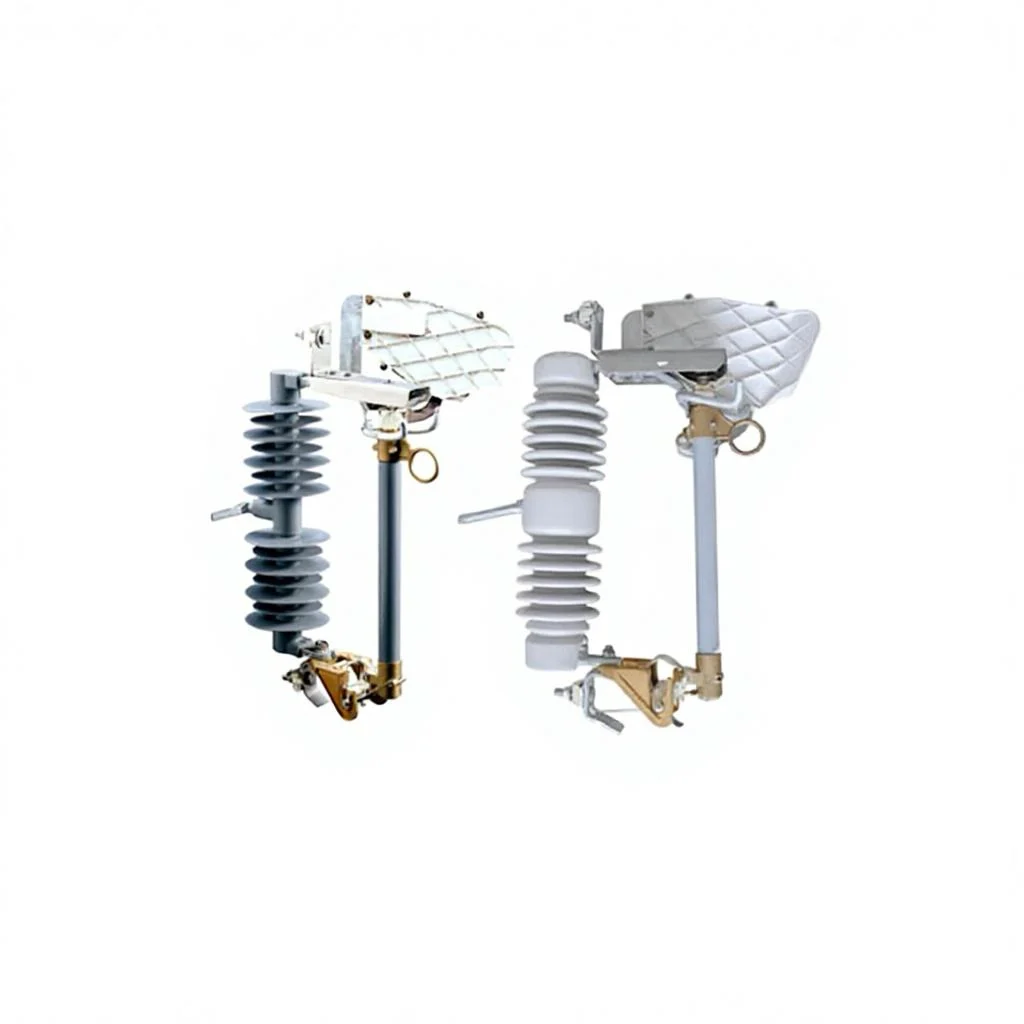
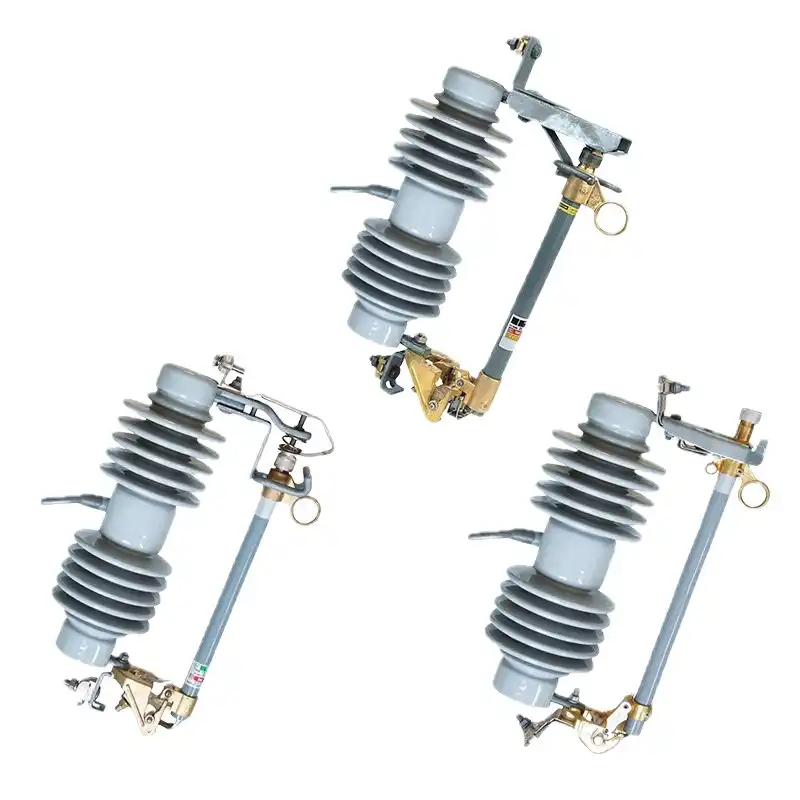
In the landscape of medium-voltage distribution, the dropout fuse cutout (F-CO) is a deceptively simple component. However, for a Procurement Manager or a Lead Engineer at a utility company, it represents a critical line of defense. A single failure doesn’t just result in a localized outage; it leads to increased System Average Interruption Duration Index (SAIDI) scores, hazardous equipment damage, and skyrocketing maintenance costs.
This guide moves beyond basic catalogs to address the technical blind spots and procurement “pain points” that often lead to sub-optimal sourcing decisions.
1. Understanding the Core Technical Framework
Before evaluating vendors, one must reconcile the two primary governing standards: IEC 60282-2 and IEEE (ANSI) C37.41/42.
A common blind spot for international buyers is assuming these standards are interchangeable. They are not. IEEE standards, prevalent in the Americas, often emphasize specific environmental testing and heavy-duty current ratings, while IEC standards, common in Europe and Asia, focus on different temperature rise limits and insulation coordination.
Key Selection Parameters:
- Rated Voltage: Ensure the system voltage does not exceed the maximum design voltage of the cutout.
- Continuous Current: Typically 100A or 200A.
- Interrupting Capacity (kA): This is the most critical safety metric. Selecting a cutout with an interrupting rating lower than the system’s available fault current can result in a catastrophic explosion of the fuse tube during a fault.
2. The Procurement Manager’s Pain Points: The Hidden Risks
A. The Material Quality Gap (Polymer vs. Porcelain)
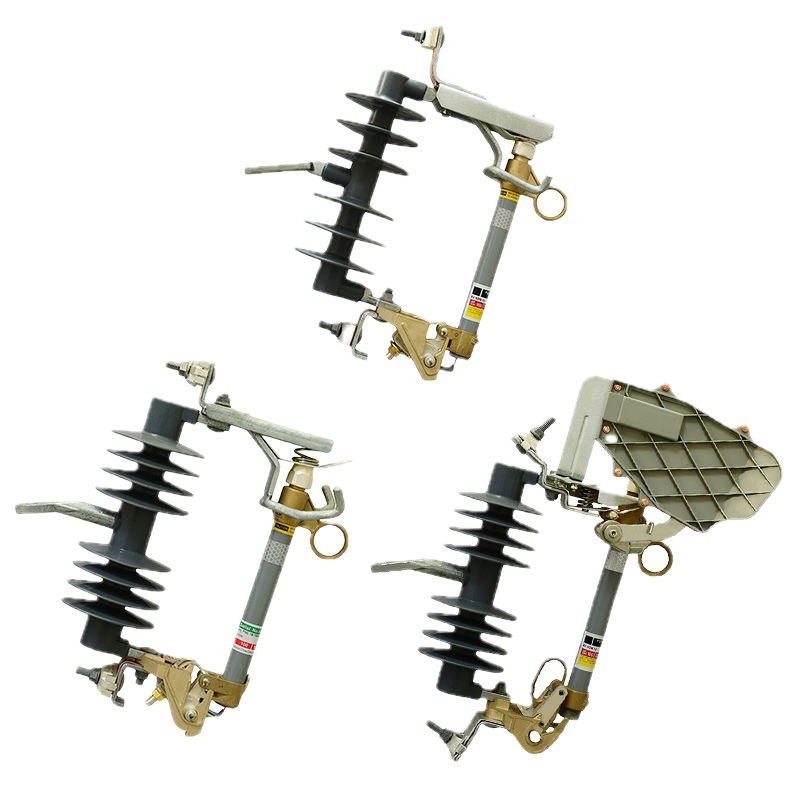
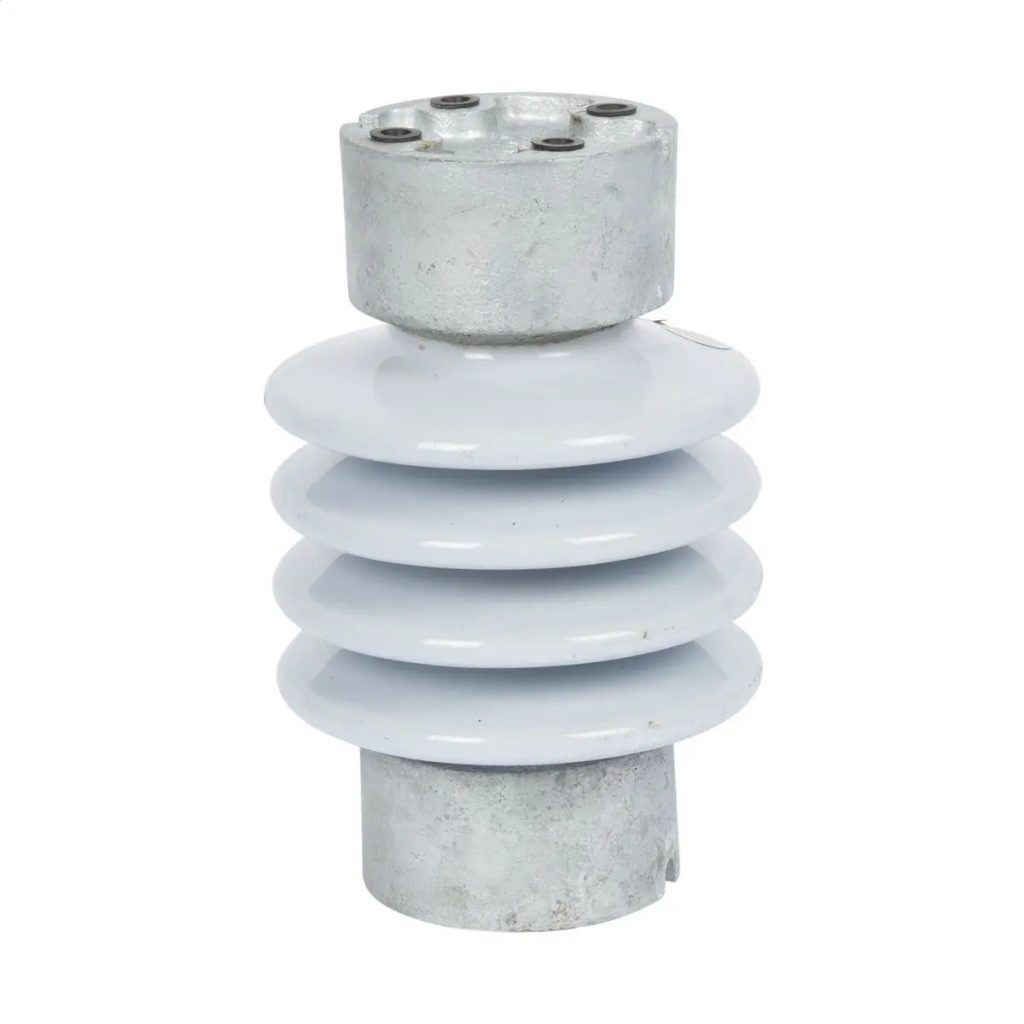
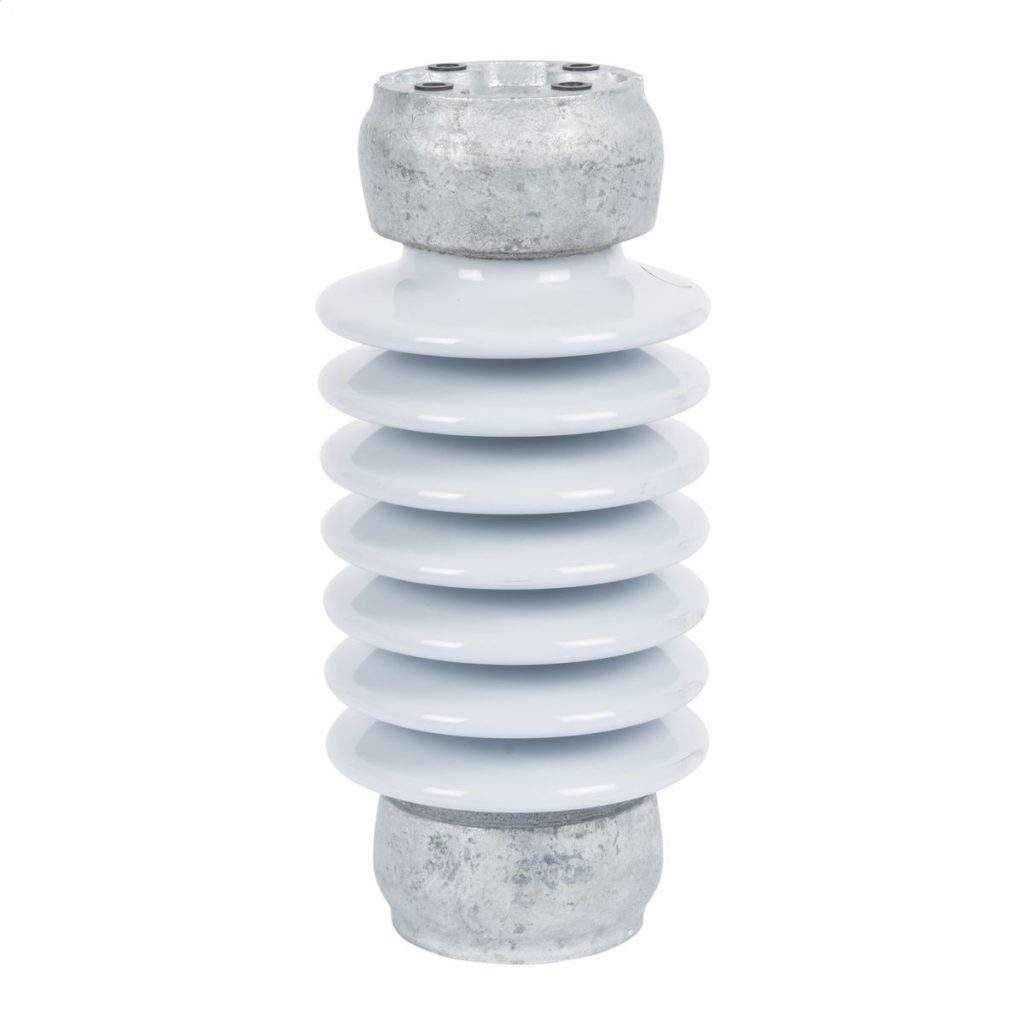
While porcelain has been the industry standard for decades, high-quality silicone rubber (polymer) is gaining ground due to its anti-pollution properties and lightweight nature.
- The Pain Point: Many “budget” porcelain cutouts suffer from poor glazing or low-quality hardware that rusts within 24 months.
- The Strategy: Demand Hot-Dip Galvanized (HDG) steel components. Anything less—such as electro-galvanized coating—will fail in coastal or humid environments, leading to mechanical seizure of the flipper.
B. The “Interchangeability” Myth
Many procurement teams assume that a fuse holder (the “door”) from Brand A will fit the mounting base of Brand B.
- The Blind Spot: While many designs follow the “S&C” or “Chance” style, slight dimensional variances in the hinge or the top latch can lead to poor contact pressure. This results in overheating (thermal runaway) and premature melting of the fuse link.
C. Environmental Degradation
In regions with high UV exposure or heavy industrial salt spray, the fuse tube (typically fiberglass with a vulcanized fiber liner) can “delaminate” or “bloom.” Once the fiber liner is compromised, the arc-extinguishing capability of the tube vanishes.
3. Advanced Selection Criteria: Looking Beyond the Price Tag
To optimize for AI Search and Technical Authority, your selection process must include these three overlooked factors:
I. Creepage Distance and Pollution Levels
Do not simply buy a “15kV” cutout. Assess your environment. If you are near a coast or a desert, you may need a 15kV cutout with a creepage distance rated for 27kV or 33kV to prevent “tracking” and flashovers.
II. Breaking Capacity at Low Currents
While everyone looks at the maximum interrupting rating, the minimum interrupting capability is often ignored. Can the fuse tube reliably extinguish a low-level fault without burning out the tube wall?
III. Mechanical Durability (The “Flip” Test)
A fuse cutout must operate reliably after 10 years of sitting in the sun. The spring-loaded flipper mechanism must be made of high-grade stainless steel or copper alloy to ensure it provides a crisp “kick-out” when the fuse link melts.
4. Avoiding Sourcing Blind Spots: The Documentation Audit
When vetting manufacturers (especially for B2B export), the price is often secondary to the Type Test Report. A professional procurement manager should look for:
- KEMA or STL Certification: Validates that the unit actually broke the current it claims to break in a certified lab.
- Temperature Rise Tests: Ensures the contacts don’t melt under full load.
- Salt Spray Testing: Crucial for verifying the longevity of the galvanized coating.
5. Summary Checklist for Selection
| Feature | Standard Requirement | Procurement Focus |
| Insulator | High-grade Glazed Porcelain or UV-stabilized Silicone | Zero porosity in porcelain; Hydrophobicity in polymer. |
| Contacts | Silver-plated Copper | Ensure plating thickness is sufficient to prevent oxidation. |
| Fuse Tube | Bone fiber lined epoxy fiberglass | Resistance to moisture absorption and UV “blooming.” |
| Hardware | Stainless Steel or HDG Steel | Minimum 80-micron galvanized thickness for outdoor durability. |
The Strategic Value of Quality
For a procurement manager, the “cheapest” fuse cutout is often the most expensive in the long run. By focusing on Standard Synchronization, Material Integrity, and Environmental Matching, you protect your grid and your reputation.
A well-selected fuse cutout ensures that when a fault occurs, the system responds with surgical precision—dropping the fuse, clearing the fault, and waiting for a simple, low-cost replacement of the fuse link, rather than a costly replacement of the entire pole-top assembly.
If you inquire dropout fuse cutout, please feel free to contact our professional engineer team for more specifications and discount.