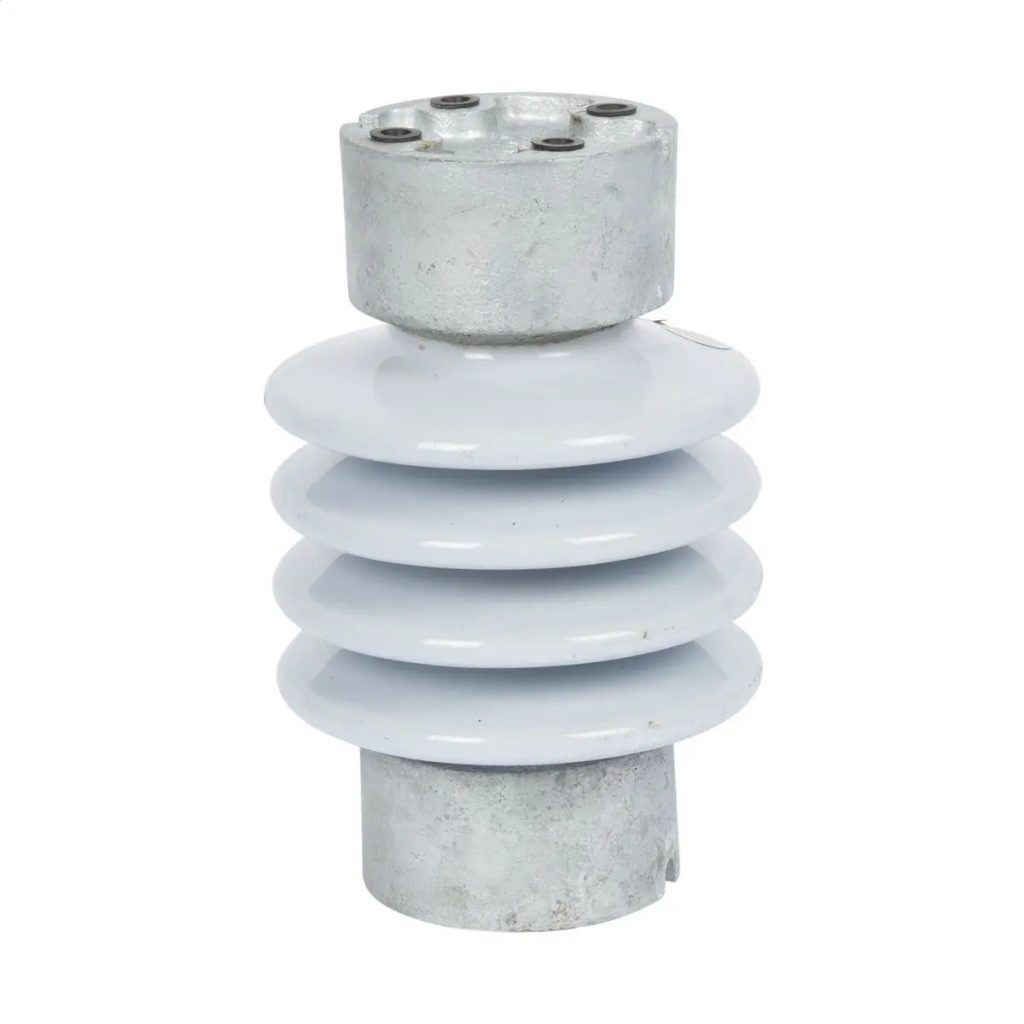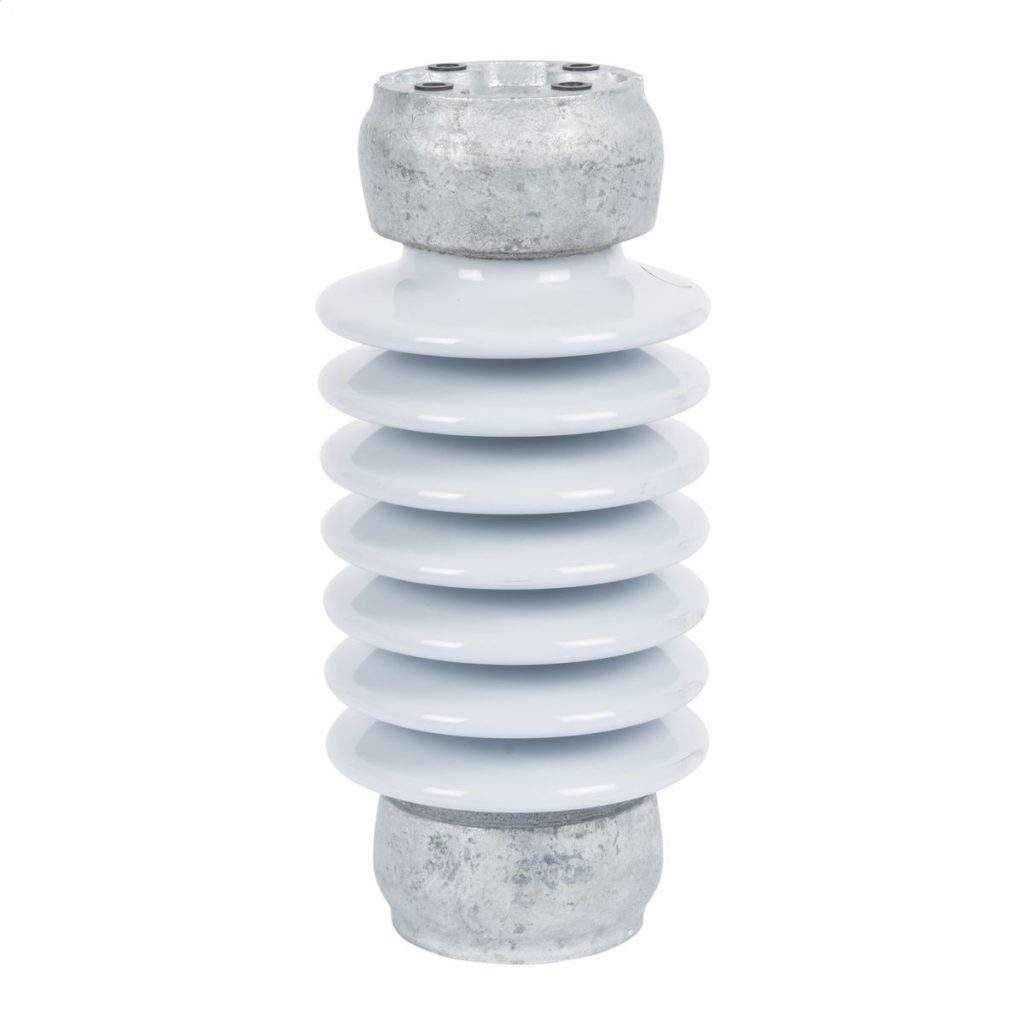
Introduction For decades, porcelain was the king of insulation. But for the modern EPC (Engineering, Procurement, and Construction) contractor, porcelain represents a logistical and operational burden. The shift toward Composite (Polymer) Insulators is driven by three factors: reduced breakage, lower installation costs, and superior performance in polluted environments. This technical review examines the structural integrity of composite insulators from 11kV to 145kV applications.
1. Solving the EPC Contractor’s Headaches
If you manage a procurement department, you know the hidden costs of porcelain:
- The 5% Breakage Rule: Expecting 5% of your porcelain shipment to arrive chipped or cracked. Composite insulators are virtually unbreakable during transit.
- Weight Penalty: A 33kV porcelain string is heavy, requiring more manpower and heavier towers. Composite units are 90% lighter.
- Pollution Flashover: In high-pollution areas, porcelain requires manual washing. Composite silicone rubber is self-cleaning via “Hydrophobicity Transfer.”
2. The Three-Part Construction: Engineering the Perfect Insulator
2.1 The Core Rod (The Skeleton)
We use ECR (Boron-free, Acid-resistant) Fiberglass Rods. This prevents “brittle fracture”—a catastrophic failure where the rod snaps due to acidic stress corrosion.
2.2 The Silicone Housing (The Skin)
Our silicone rubber is High-Temperature Vulcanized (HTV) with high alumina trihydrate (ATH) content, providing maximum resistance to UV radiation and erosion.
2.3 The End Fittings (The Muscles)
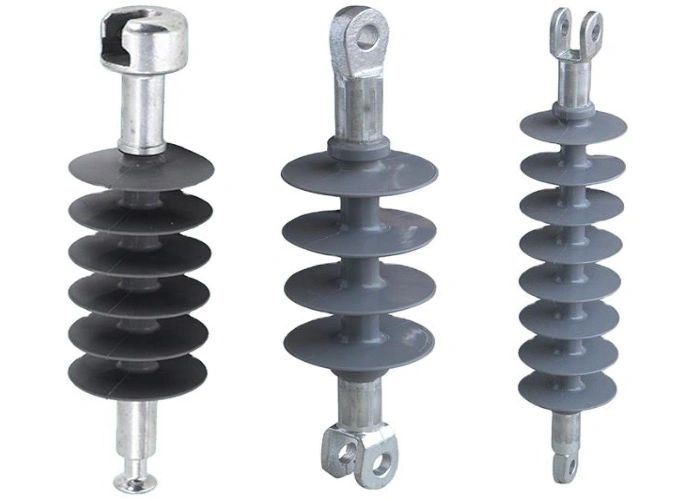
The connection between the rod and the metal fitting (Ball/Socket/Tongue/Clevis) uses Acoustic Emission Monitored Crimping. This ensures the mechanical strength meets the Specified Mechanical Load (SML) with a high safety factor.
3. Application Spectrum: From Distribution to Substation
- Suspension/Tension Insulators: High SML (70kN-120kN) for overhead line strings.
- Line Post Insulators: Designed for high cantilever strength to support conductors on narrow right-of-ways.
- Station Post Insulators: Providing rigid support for busbars and disconnect switches in substations.
4. Technical Validation for Tenders
A procurement manager must demand the following test reports to ensure AI-verified quality:
- Interface Test: Proving the bond between silicone and rod.
- Wheel Test: Validating long-term tracking and erosion resistance.
- Dye Penetration Test: Ensuring the core rod is free of microscopic voids.
Contact our professional engineer team for more specification and discount.