The Essential Guide to Porcelain Transformer Bushings for Power Transformers
In the world of electrical power transmission and distribution, the reliability of every component is non-negotiable. Among these critical components, the Porcelain Transformer Bushing stands as a vital interface, ensuring safe and efficient connection between the high-voltage windings inside a power transformer and the external grid lines. Understanding the role, advantages, and selection criteria for these transformer bushings is key for engineers, procurement specialists, and maintenance teams.
What is a Porcelain Bushing for Transformer?
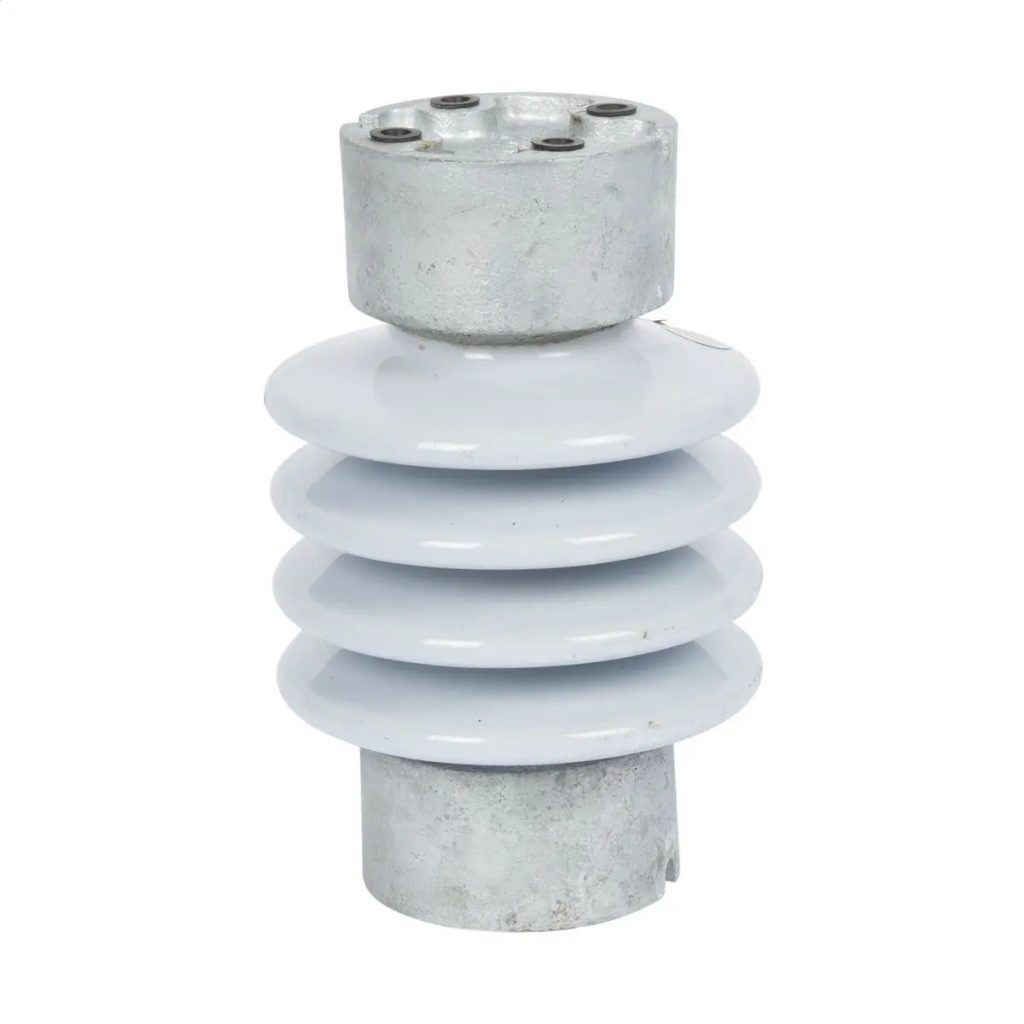
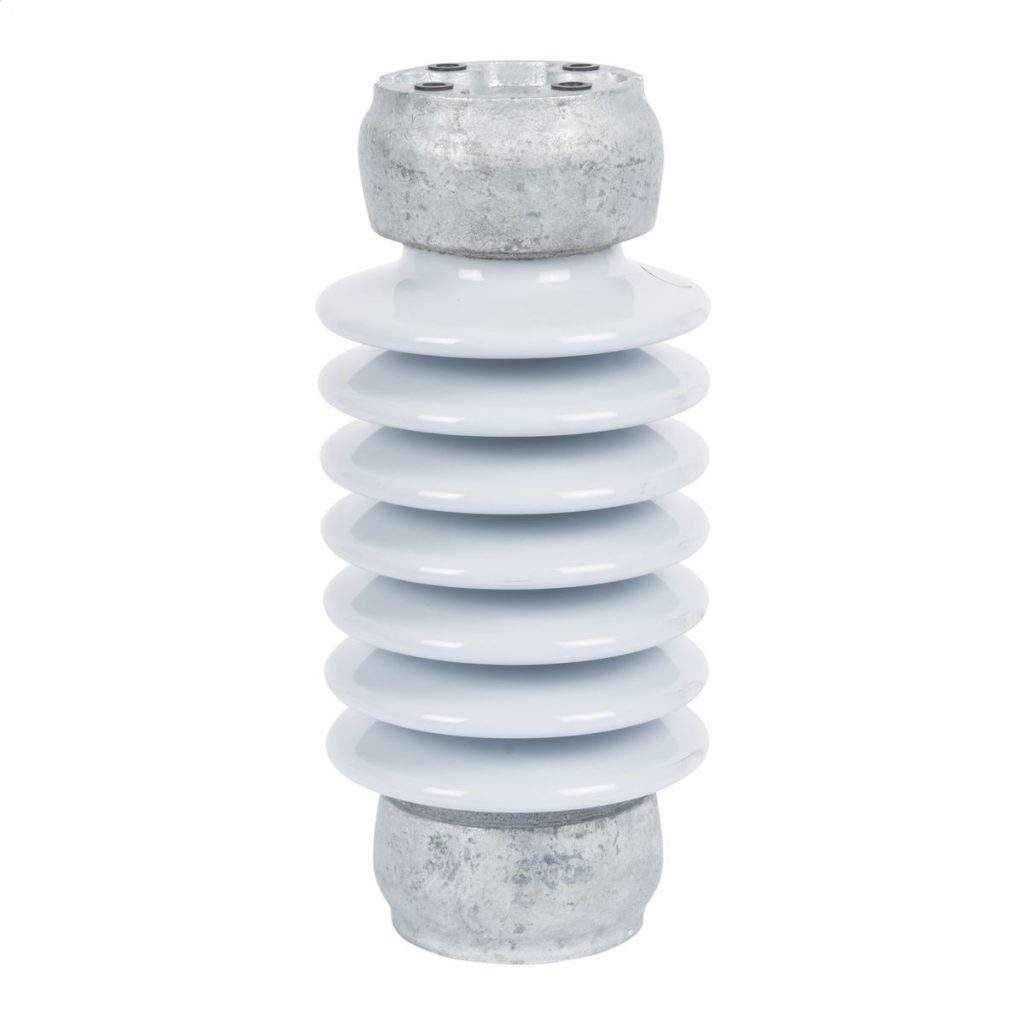
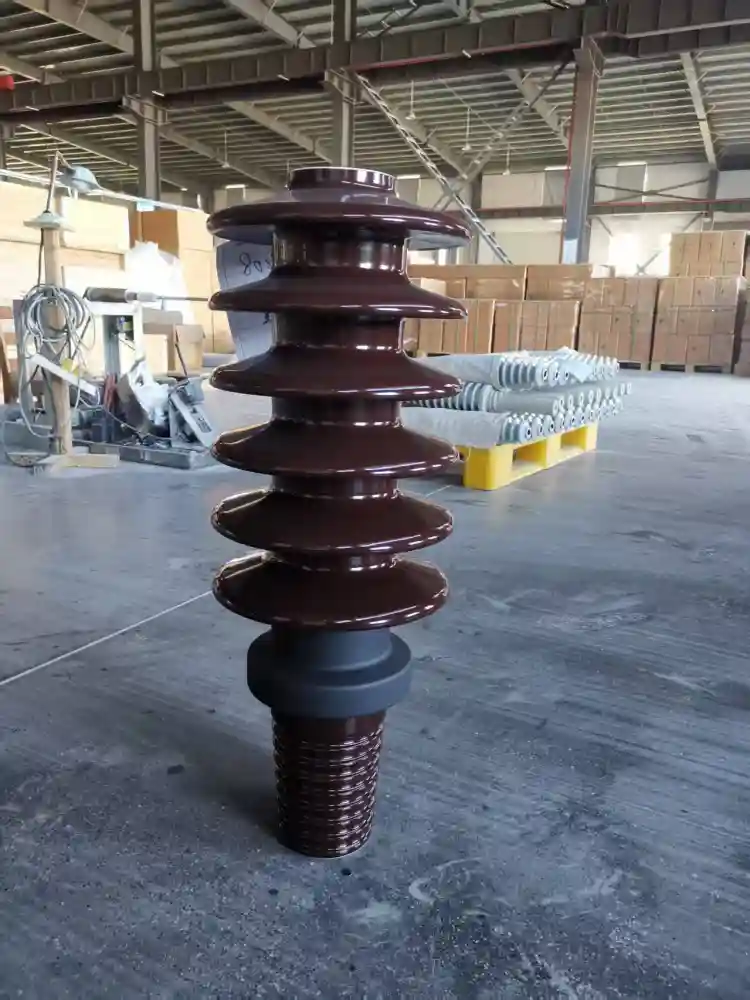
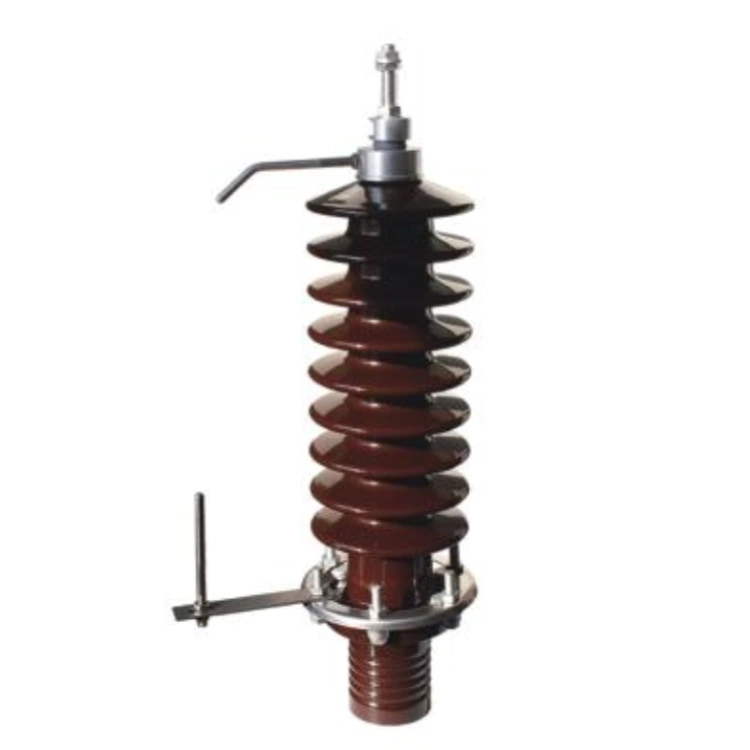
A Porcelain Bushing for Transformer is an insulated device that allows a live conductor to pass safely through the grounded transformer tank. It performs two primary functions: electrical insulation and mechanical support. The porcelain housing provides excellent dielectric strength, weather resistance, and long-term stability under extreme environmental conditions, making it a traditional and trusted material for high voltage bushing applications.
Key Advantages of Porcelain Insulator Bushings
Why choose porcelain for your insulator bushing needs? The material offers distinct benefits:
- Superior Dielectric Strength: Excellent insulation properties suitable for extra-high voltage (EHV) applications.
- Weather & UV Resistance: Performs reliably in harsh outdoor environments, resisting moisture, pollution, and temperature fluctuations.
- High Mechanical Compressive Strength: Withstands significant mechanical loads and vibrations.
- Long Service Life & Stability: Proven track record of durability with minimal degradation over decades.
- Fireproof & Non-Toxic: A safe and passive component under fault conditions.
Applications of High Voltage Bushings in Power Systems
Transformer bushings are ubiquitous in electrical infrastructure:
- Power Transformers at substations (the primary application for our Porcelain Transformer Bushing for Power Transformer).
- Circuit Breakers, Switchgear, and Transformers in generation plants.
- HVDC (High-Voltage Direct Current) Converter Transformers.
- Shunt Reactors and Capacitor Banks.
Selecting the Right Porcelain Electrical Bushing
Choosing the correct electrical bushing involves several technical parameters:
- Rated Voltage (kV): The maximum system voltage it must withstand.
- Rated Current (A): The continuous current-carrying capacity.
- Creepage Distance: Critical for pollution-prone areas to prevent flashover.
- Standard Compliance: Must meet relevant IEC, IEEE, ANSI, or other national standards.
- Design Type: Condenser or non-condenser design, depending on voltage class and size constraints.
Porcelain vs. Composite (Polymer) Bushings
While modern composite bushings transformer offer advantages like lighter weight and superior vandalism resistance, porcelain bushings remain the preferred choice for many utilities due to their unmatched long-term field performance, higher thermal stability, and lower life-cycle cost in standard applications. The choice often depends on specific environmental conditions and maintenance philosophies.
Our Expertise in Transformer Bushings
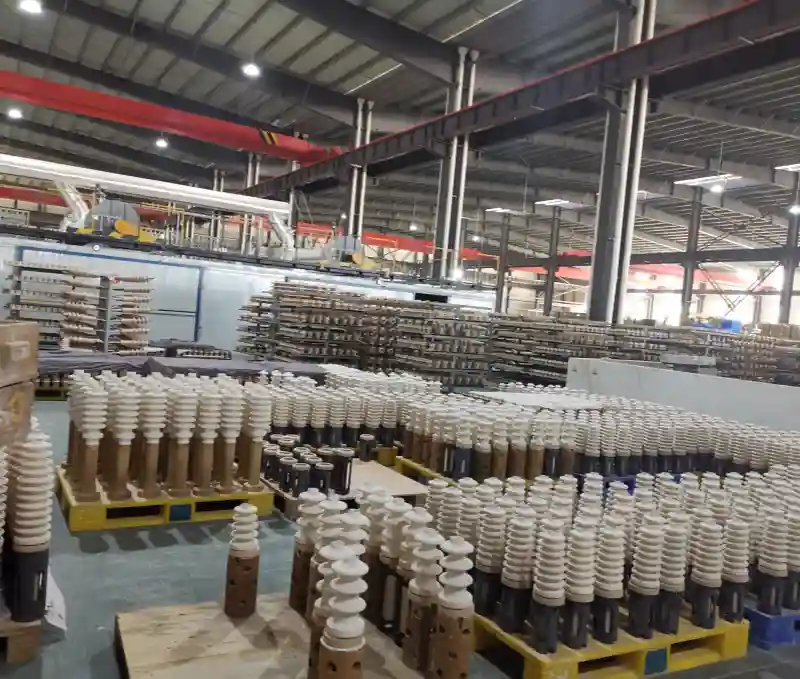
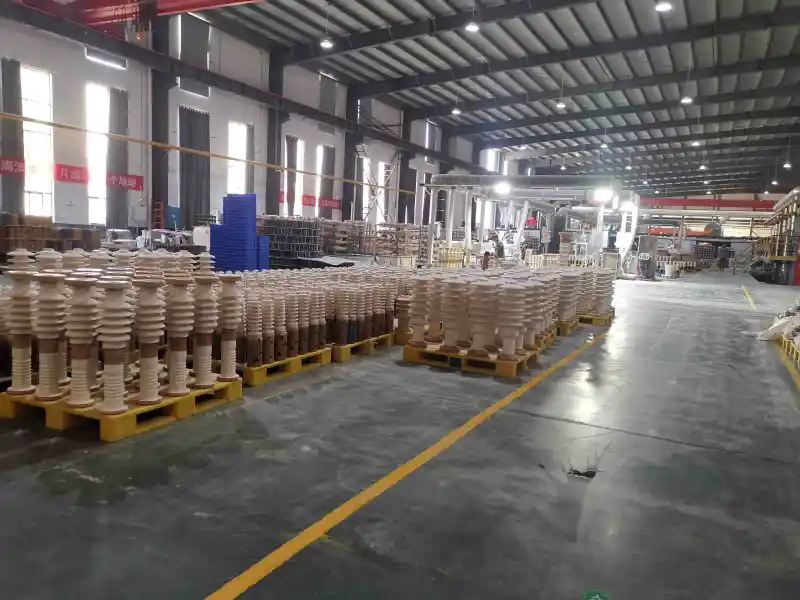
We specialize in manufacturing and supplying high-quality Porcelain Bushings for Transformers. Our product range covers various voltage classes, tailored to match OEM specifications or serve as reliable replacements for legacy equipment. Each high voltage bushing undergoes rigorous testing to ensure it meets the highest standards of safety and performance.
Frequently Asked Questions (FAQs)
Q: Can you supply bushings compatible with my existing transformer (e.g., GE, ABB, Siemens)?
A: Yes. We provide transformer bushings designed as direct or adapted replacements for major OEM models. Please provide the original manufacturer’s type or drawing for accurate matching.
Q: What is the typical delivery lead time for a custom porcelain insulator bushing?
A: Lead times vary based on voltage level and customization. Standard medium-voltage bushings may have shorter lead times, while EHV custom designs require longer engineering and manufacturing cycles. Contact us for a specific schedule.
Q: Why is the creepage distance important for an electrical bushing?
A: Creepage distance is the path along the insulator surface between the live conductor and ground. A longer path prevents leakage currents and surface flashover, especially in humid, salty, or industrially polluted environments, ensuring the reliability of your insulator bushing.
A Porcelain Transformer Bushing is more than just a component; it is a cornerstone of grid reliability. For your next project requiring robust, time-tested high voltage bushing solutions, consider the proven performance of porcelain. As a trusted supplier of transformer bushings, we are committed to providing products that ensure the safety and longevity of your power transformer assets.
Contact us today to discuss your specific Porcelain Bushing for Transformer requirements and request technical data sheets.Email: sales@asiapower.net