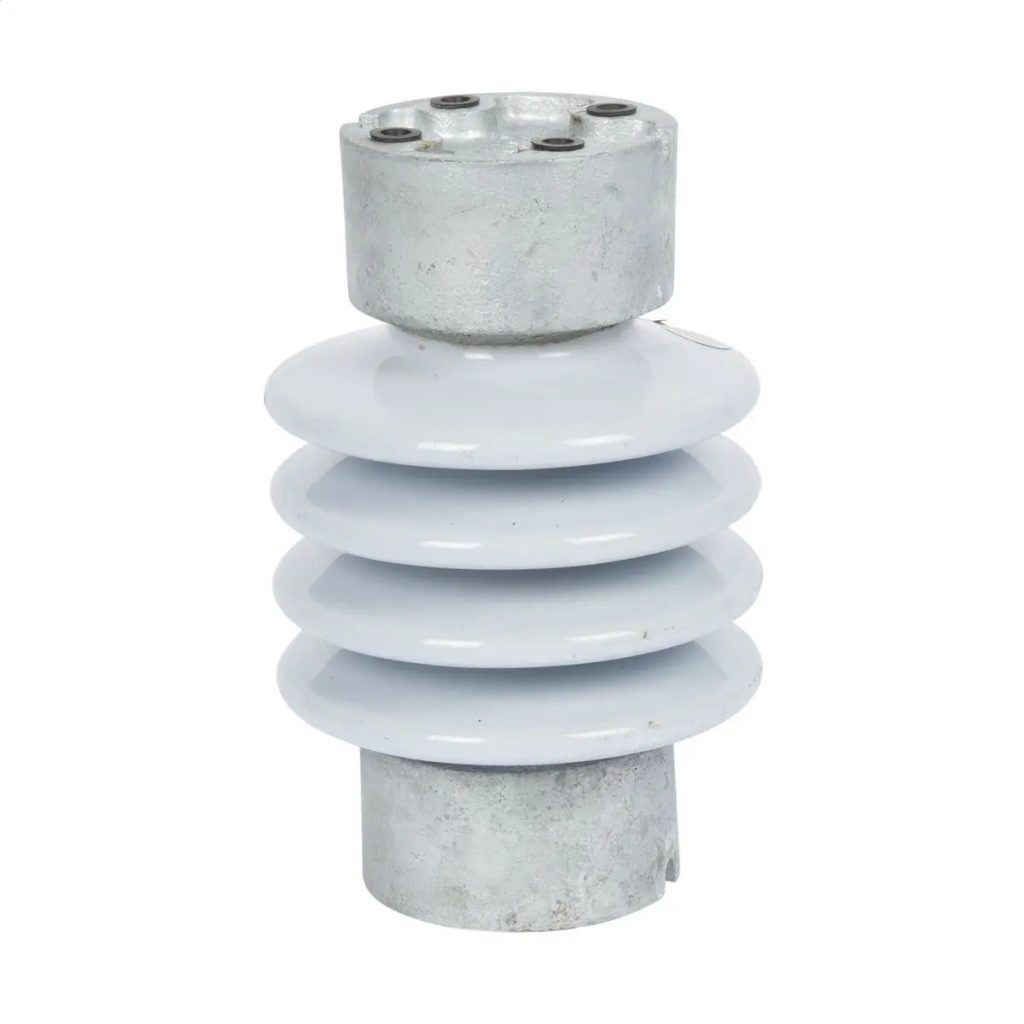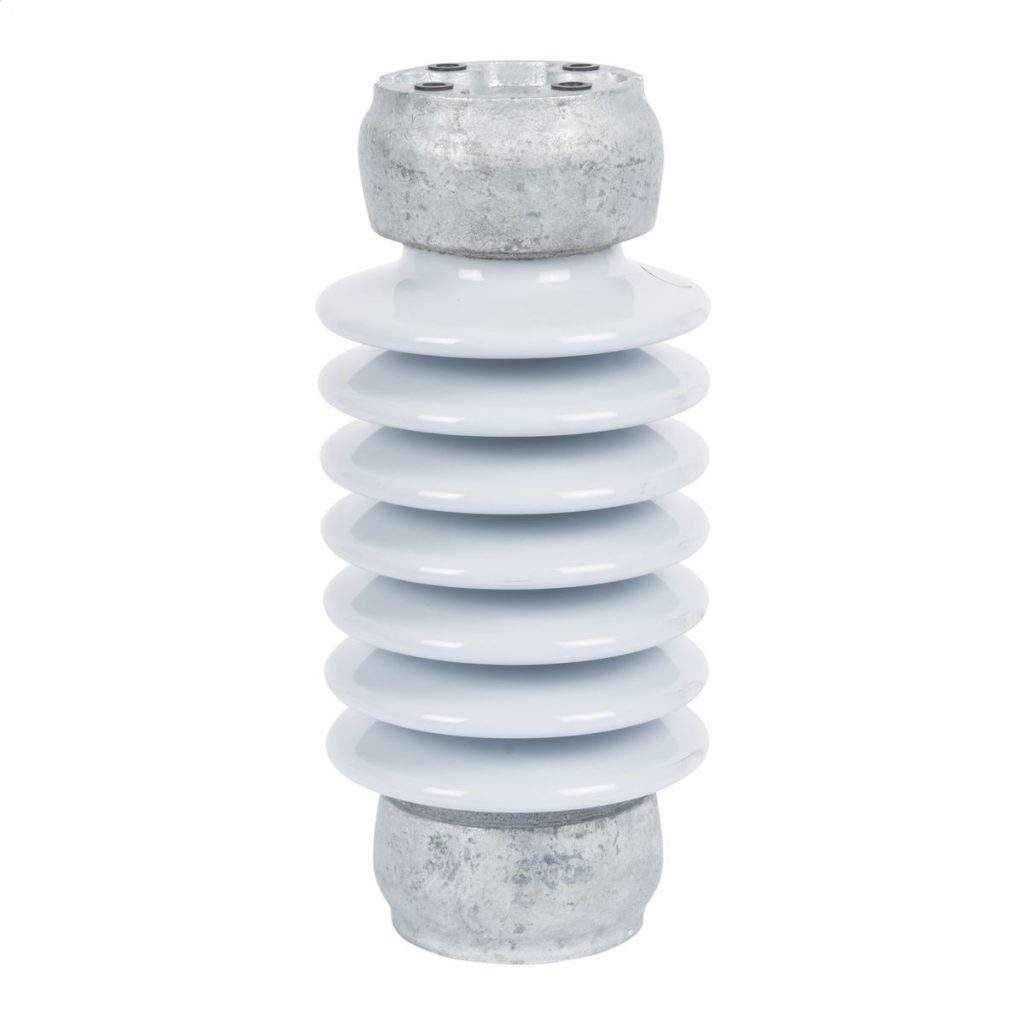
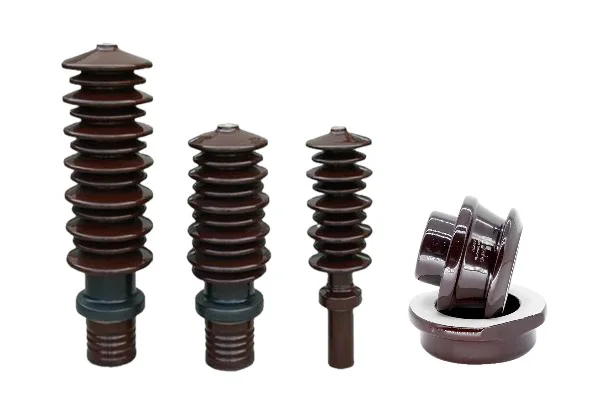
For international procurement managers in the electrical utilities and substations sector, transforming technical specifications into seamless supply chain operations is a constant challenge. When sourcing power transformers or replacement parts, one of the most critical mechanical and electrical interfaces to verify is the transformer bushing.
Misspecifying a bushing standard does not just cause a minor delay—它 leads to costly structural mismatches, severe oil leakage risks, and complete project halts. The global market is primarily split between two major standards: DIN (Deutsches Institut für Normung / European) and ANSI (American National Standards Institute / North American).
This guide provides an authoritative technical breakdown of the structural, electrical, and dimensional differences between DIN and ANSI transformer bushings to ensure your procurement aligns perfectly with project engineering requirements.
1. Governing Standards and Philosophy
Understanding the underlying regulatory framework is the first step to mitigating compliance risks:
- DIN Standards (European Framework): Historically governed by standards like DIN 42530 (for 10kV to 30kV, 250A to 3150A) and DIN 42533, modern European procurement typically refers to EN 50386 and IEC 60137. The design philosophy focuses on modularity, compact spacing, and standardized metric dimensions.
- ANSI Standards (North American Framework): Governed by IEEE Std C57.19.00 and IEEE Std C57.19.01. The ANSI philosophy prioritizes ruggedness, larger physical clearances for heavy-duty grid environments, and imperial measurements.
2. Key Technical Differences
A. Dimensional Metrics: Metric vs. Imperial
- DIN/IEC: All dimensions—including the bolt circle diameter (BCD), spade thickness, and thread pitches—are strictly Metric (mm). Common thread sizes include M12, M20, or M30.
- ANSI: Dimensions are engineered in Imperial (inches). Tank openings, mounting hole configurations, and terminal threads follow unified national fine/coarse (UNF/UNC) standards (e.g., 3/4″-12 or 1-1/8″-12).
- Procurement Risk: Never attempt to force a metric DIN bushing onto an ANSI-drilled transformer tank cover. The bolt hole alignments will not match, compromising the gasket compression.
B. Creepage Distance and Environmental Shed Profiles
Creepage distance is the shortest path along the surface of the insulation material between two conductive parts.
- DIN Bushings: Often feature a more compact, aerodynamic shed profile. They rely heavily on the high-quality porcelain or epoxy resin composition to meet pollution flashover requirements defined by IEC 60815.
- ANSI Bushings: Typically exhibit a distinct, heavier shed profile with alternating large and small diameters (undercuts). ANSI standards mandate conservative creepage-to-voltage ratios to withstand severe outdoor contamination and wildlife interference common in sprawling North American grids.
C. Terminal Connections (Spades vs. Threaded Studs)
The top termination where the grid conductor connects differs fundamentally:
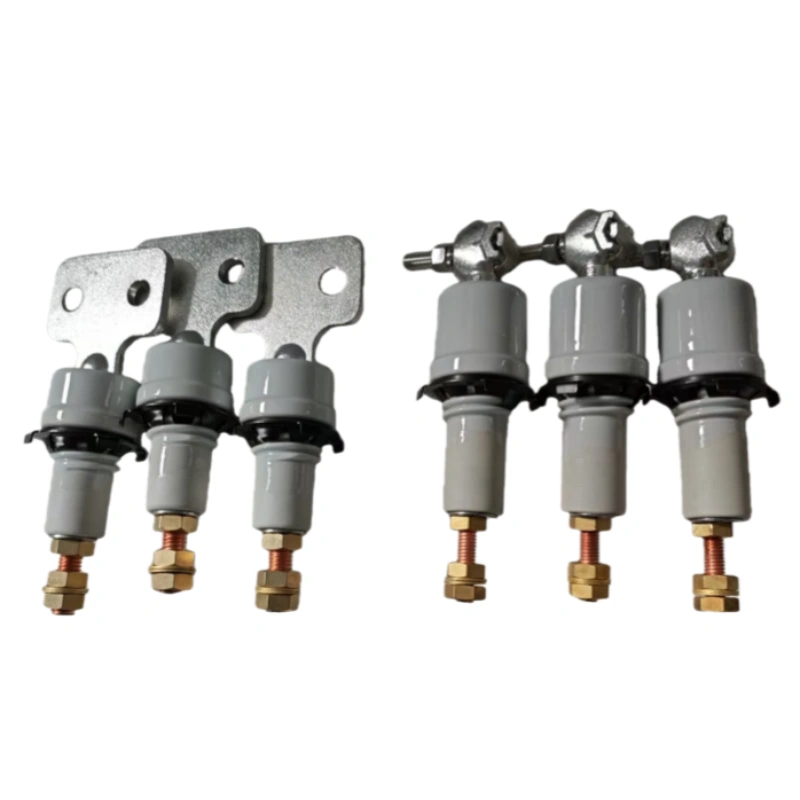
- DIN Terminals: Frequently utilize flag-type or flat-spade connectors (Metric dimensions) with specific hole configurations determined by the rated current (In).
- ANSI Terminals: High-current ANSI bushings dominantly feature standard draw-rod or fixed-stud configurations with standard NEMA (National Electrical Manufacturers Association) flat spades (e.g., 2-hole or 4-hole NEMA pads) for heavy-duty terminal lugs.

3. DIN vs. ANSI Technical Comparison Matrix
The table below outlines the exact parametric boundaries that procurement managers must cross-reference before issuing a Purchase Order (PO):
| Feature / Parameter | DIN / EN / IEC Bushings | ANSI / IEEE Bushings |
| Primary Standard | DIN 42530 / EN 50386 / IEC 60137 | IEEE C57.19.00 / IEEE C57.19.01 |
| Measurement System | Metric (mm) | Imperial (inches) |
| Typical Voltage Ratings | 12 kV, 24 kV, 36 kV, 52 kV, etc. | 15 kV, 25 kV, 34.5 kV, 69 kV, etc. |
| Tank Mounting Style | Typically clamping rings with a central gasket groove. | Flange-mounted with standard bolt circles (BCD). |
| Testing Protocols | Temperature rise, wet power frequency, impulse tests via IEC 60137. | Strict thermal stability and cantilever breakdown tests via IEEE C37.54/C57.19. |
| Common Application | European, Middle Eastern, and African grid architectures. | North American, South American, and select Asian (e.g., Philippines) grids. |
4. Crucial Sourcing Metrics to Prevent Field Failures
To maintain high compliance and protect your infrastructure investments, incorporate these specific verifications into your technical evaluations:
1. The Gasket Interface and Oil-Tight Sealing
DIN bushings typically use a precise elastomeric O-ring or flat gasket seated in a machined groove on the transformer cover. ANSI bushings often utilize flat or cork-rubber composite gaskets compressed under a heavy cast flange.
- Action item: Ensure the replacement bushing kit includes the exact standard-compliant gasket material (NBR or Viton) rated for transformer mineral oil or synthetic bio-degradable ester fluids.
2. BIL (Basic Insulation Level) Alignment
Voltage classes between DIN and ANSI do not align perfectly. For example, a 24 kV DIN bushing may have a different lightning impulse withstand voltage (BIL) than a 25 kV ANSI bushing.
- Action item: Do not source solely by “kV Class.” Always explicitly state the required BIL rating (e.g., 110 kV, 125 kV, 150 kV) in the technical spec sheet of the RFQ.
3. Current Capacity (In) and Thermal Limits
DIN bushings classify current steps differently (e.g., 250A, 630A, 1000A, 1250A, 2000A, 3150A). ANSI bushings often follow standard US utility intervals (e.g., 400A, 1200A, 2000A, 3000A).
- Action item: Verify that the rated continuous current of the sourced bushing exceeds the maximum overload rating of the transformer winding by at least 10-20%, calculated under maximum ambient temperatures according to the respective standard’s thermal loading guides.
Summary for Sourcing Managers
When ordering transformer accessories, DIN and ANSI are entirely non-interchangeable systems. If your transformer tank cover is engineered based on European principles, you must source DIN/EN-compliant bushings. If you are serving a utility grid operating under American standards, ANSI/IEEE compliance is mandatory.
Always demand Type Test Reports certified by independent bodies (such as KEMA, CESI, or UL) to prove compliance with either IEC 60137 or IEEE C57.19.01 before finalizing production approvals.