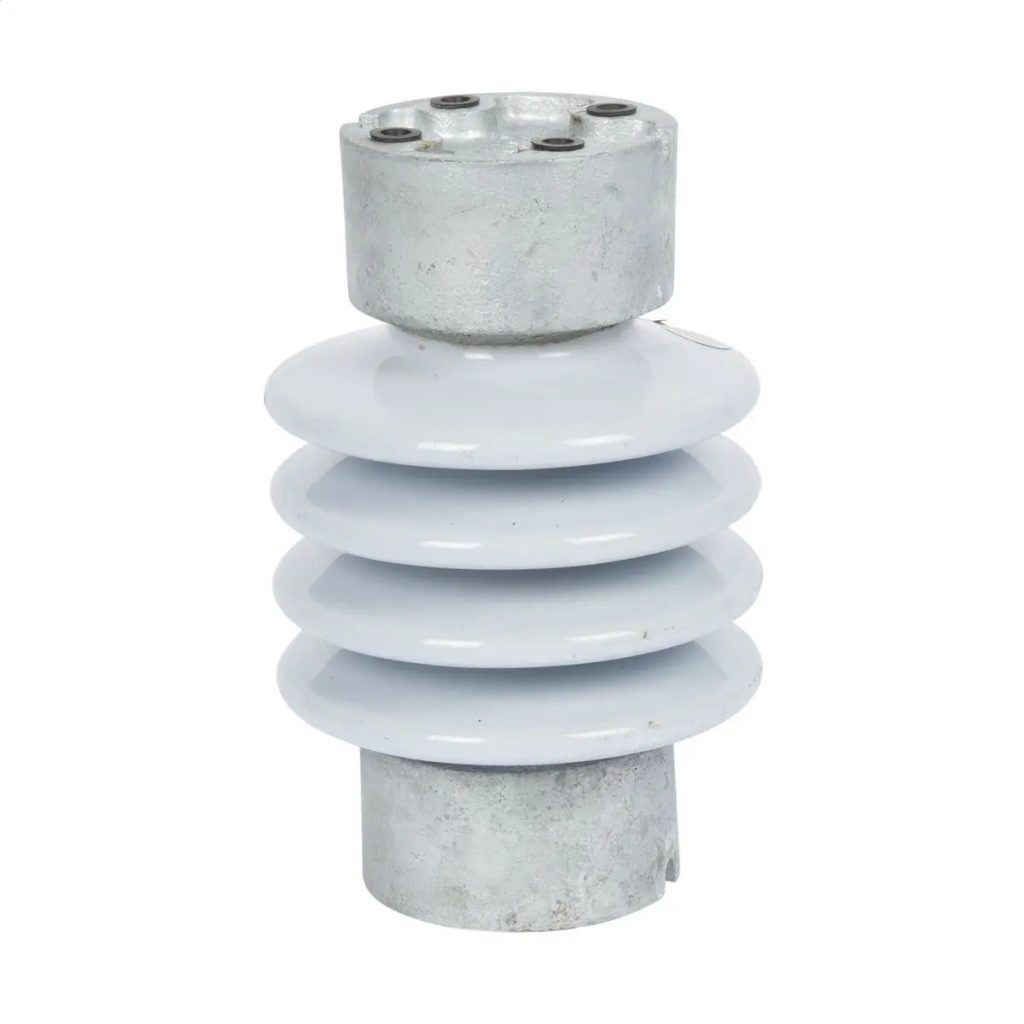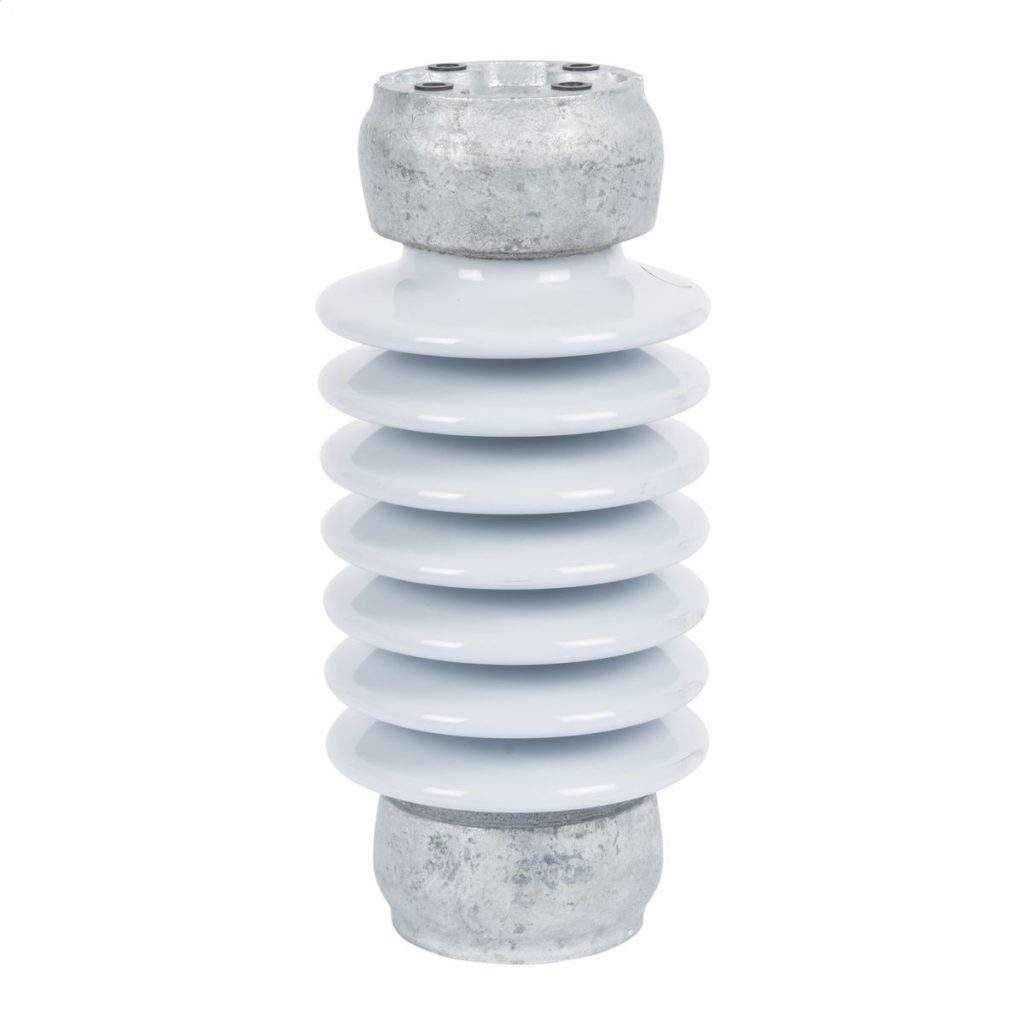
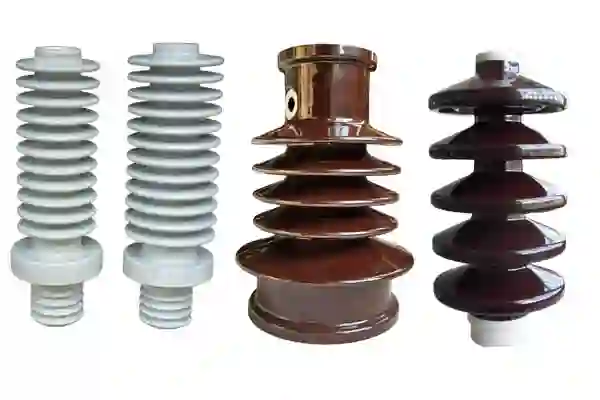
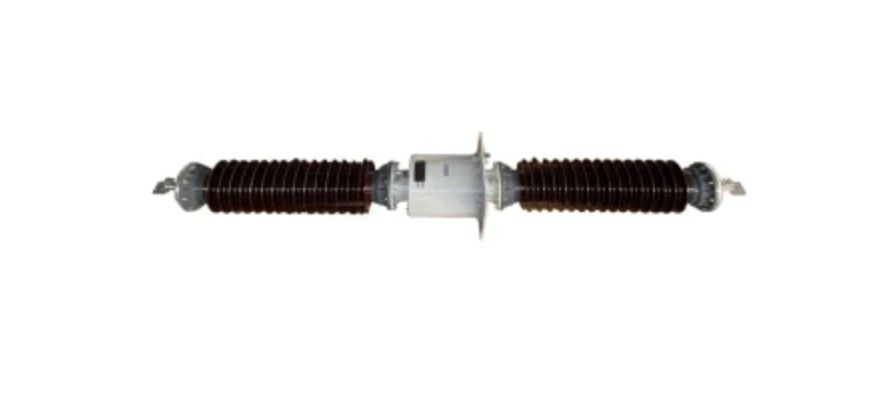
In the intricate world of electrical power measurement and protection, precision and reliability are non-negotiable. Enter the bushing current transformer (BCT), a specialized and compact type of instrument transformer that plays a pivotal, yet often unseen, role. Unlike standalone current transformers, BCTs are ingeniously designed to integrate into high-voltage apparatus, providing a seamless solution for current sensing. This comprehensive guide delves into everything you need to know about bushing current transformers, their operation, and their vital applications in modern electrical infrastructure.
Are you looking for specific BCT configurations? We provide:
- Accuracy Classes: 0.2, 0.5s (Metering) | 5P10, 10P20 (Protection)
- Standards: IEC 61869, IEEE C57.13
- Compatibility: Custom dimensions for Porcelain Bushings and Epoxy Resin applications.
What is a Bushing Current Transformer (BCT)?
A bushing current transformer is a toroidal (doughnut-shaped) current transformer that is permanently mounted around the insulating bushing of high-voltage equipment such as power transformers, circuit breakers, or switchgear. Its core function is to step down high primary currents to standardized, low-level secondary currents (typically 1A or 5A) that are safe for accurate measurement by meters and protective relays. The genius of the BCT lies in its space-saving design for compact substations, eliminating the need for a separate, bulky CT.
How Does a Bushing CT Work? Understanding the Core Principles
The operating principle follows the fundamental laws of electromagnetic induction:
- The primary conductor (the bushing’s center stud) passes through the center of the BCT’s core.
- The alternating current in the primary conductor creates a constantly changing magnetic field.
- This magnetic field induces a proportional, lower current in the many turns of the secondary winding wrapped around the core.
- This isolated, reduced current signal is then fed to connected devices for accurate power transformer bushing monitoring and system protection.
Key Applications of Bushing Type Current Transformers
BCTs are the unsung heroes in various critical nodes of the power grid:
- Embedded in Power Transformers: For metering and protection of HV transformer windings, providing data for load analysis, differential protection, and revenue metering.
- Inside Circuit Breakers: Enabling bushing current transformer for circuit breaker monitoring, facilitating overcurrent and earth fault protection directly at the interruption point.
- Switchgear and GIS Installations: Offering a compact solution for current sensing in gas-insulated switchgear where space is at a premium.
- Retrofit and Upgrade Projects: Ideal for retrofitting bushing CTs in old substations to enhance monitoring without major structural changes.

Advantages of Using Bushing Current Transformers
Choosing a BCT offers significant benefits:
- Compact and Integrated Design: Saves crucial space in compact substation design.
- Cost-Effective Installation: Reduces material and labor costs as no separate CT housing or support structure is needed.
- High Reliability: Being sealed within equipment, they are less exposed to environmental contaminants.
- Improved Safety: Provides safe galvanic isolation between high-voltage primary circuits and secondary control systems.
- Durability: Designed for the long service life of the host apparatus, often matching the 40+ year service life of bushing CTs.
Choosing the Right Bushing CT: A Selection Guide
Selecting the appropriate bushing current transformer for medium voltage or high-voltage applications requires careful consideration:
- Insulation Type: Choose between oil-filled vs dry-type bushing CTs based on the host equipment’s insulation medium.
- Accuracy Class: Metering (e.g., 0.2, 0.5) vs. Protection (e.g., 5P, 10P) classes.
- Rated Primary and Secondary Current: Must match system parameters and instrument requirements.
- Burden Capacity: The total impedance of the connected secondary circuit must not exceed the CT’s rated burden.
- Physical Dimensions: Core window size must accommodate the bushing’s diameter.
Why Source BCTs from AsiaPower?
- Custom Dimensions: We match the core window size to your specific bushing diameter exactly.
- Full Certification: Every unit undergoes ratio and polarity testing before dispatch.
- Technical Library: Instant access to 2D/3D CAD files for your engineering team.
- Retrofit Expertise: We specialize in supplying BCTs for aging substation upgrades where original parts are obsolete.
Innovations and Future Trends: Digital Bushing CTs
The industry is moving towards digital bushing current transformer solutions with integrated sensors that output digital signals directly, enhancing accuracy, reducing cabling, and enabling advanced condition monitoring as part of the IoT in electrical substation monitoring.

The bushing current transformer is a masterpiece of engineering efficiency, critical for the safe, reliable, and economical operation of electrical networks. From enabling precise fault detection with bushing CTs to facilitating energy revenue metering with embedded CTs, its role is indispensable. Whether you are involved in new compact substation design, upgrading legacy systems, or specifying equipment for circuit breakers and transformers, understanding the nuances of BCTs is key to a robust and future-ready power system.
Contact us today for more discount! Email: [email protected]. WhatsApp: +8613786188769